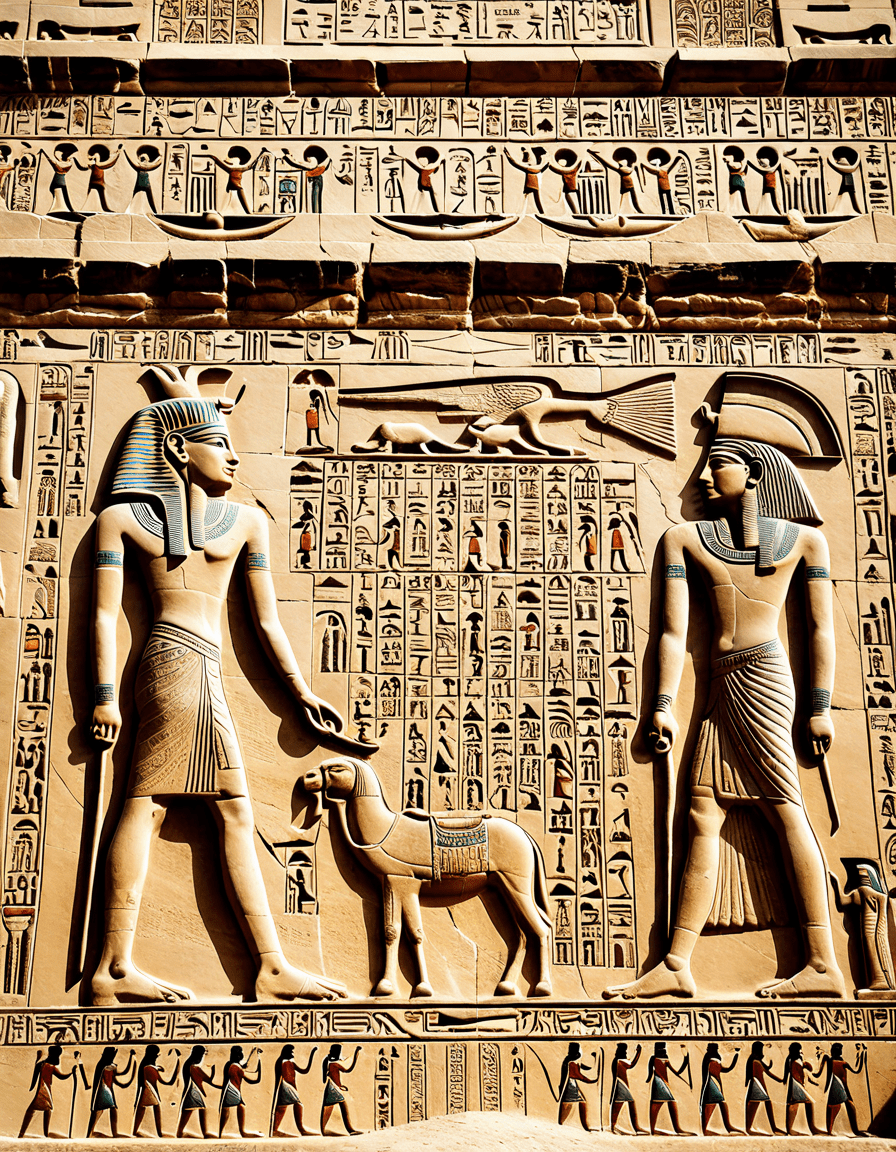

Agatha Christie’s “Death on the Nile” is a gripping tale of murder and deception, published in 1937. This timeless classic intertwines memorable characters, deep emotional currents, and unexpected twists that keep readers coming back for more. In this article, we’ll unravel seven unforgettable elements that cement “Death on the Nile” as a narrative jewel shimmering through the ages. So, let’s dive headfirst into the choppy waters of this intriguing tale.
7 Unforgettable Elements That Make ‘Death on the Nile’ a Timeless Classic

1. The Characterization of Poetic Justice
Each character in “Death on the Nile” offers a reflection of humanity’s struggle for justice. Hercule Poirot, the brilliant detective, employs his famous little grey cells to unravel the thread of deceit wrapped around the murder mystery. His stoic belief that justice—albeit often delayed—will be served is reminiscent of the ethical dilemmas portrayed in “To Kill a Mockingbird.” Every character’s arc reveals the darker side of human motivations, intertwining personal choices with an inexorable fate. When characters confront their transgressions, readers experience a cathartic revelry in poetic justice, echoing their personal battles with morality.
2. Love Triangles: A Recipe for Disaster
Love triangles have long captivated audiences, and the drama in “Death on the Nile” is no exception. The characters engage in a dizzying dance of passion and betrayal, resembling the romantic entanglements evident in edgy films like “House of Wax.” We watch love morph into chaos as allegiances shift, igniting the flames of jealousy and revenge. Characters driven by desires find themselves entangled in a web where loyalty becomes a rickety bridge ready to collapse, mirroring the tumultuous nature of relationships in our present-day lives. It’s a potent reminder that love, while beautiful, can quickly turn into a formidable beast.
3. The Role of Setting in Building Suspense
The grandeur of the Nile itself unfolds like a haunting character within “Death on the Nile.” It lures characters with its picturesque beauty while concealing unspeakable horror beneath its tranquil surface. This dynamic amplifies suspense in the narrative, much like the eerie backdrop in “Courage the Cowardly Dog,” where the seemingly innocent becomes a source of dread. As the vibrant scenery contrasts with malevolent acts, readers find themselves not merely witnessing a story but entwined within its unnerving atmosphere. The setting, with both opulence and foreboding, sketches a vivid tableau that demands our attention.
4. The Nature of Wealth and its Consequences
Wealth burgeons as both a treasure and a curse in Christie’s narrative, inspiring deep introspection about societal disparities. The affluent lives of the characters often lead to treachery, inducing a moral avalanche where money disrupts intrinsic values. This commentary on rich greed resonates powerfully in today’s society, where the divide between the elite and the struggling is as pronounced as ever. The story begs a vital question: how far will one go to maintain status? “Death on the Nile” skillfully confronts this dilemma, illustrating how wealth can act as both a glittering crown and a suffocating prison.
5. The Allure of the Supernatural
Intricacies of the supernatural offer a thrilling undercurrent throughout the mystery. Just like “Death of a Unicorn,” which explores our fixation with magic and the unexplained, Christie envelops the story with suggestions of the mystical. As Poirot uncovers layers of human menace, hints of ancient myths and supernatural forces add a compelling twist. This ethereal aspect amplifies curiosity, prompting readers to question what lies beyond the tangible world. What’s more gripping than the unknown? The suggestion that unraveling truth rides the back of the fantastic makes the narrative all the more captivating.
6. Psychological Depth in Character Conflicts
“Death on the Nile” serves as a splendid canvas of psychological exploration. Each character’s conflicts provide a canvas rich with emotional texture, echoing the moral complexities faced by figures in “To Kill a Mockingbird.” By illuminating personal histories, Christie reveals how past traumas shape decisions and relational dynamics. This depth adds nuance, inviting readers to delve into the inner workings of each character’s psyche while grappling with their frailties. Such revelations not only pique curiosity but offer a sobering glimpse into the human experience, where pain and imperfection reside comfortably.
7. Ending: The Ultimate Twist
Christie is hailed for her ingenious twists, and “Death on the Nile” delivers a jaw-dropper that makes readers reconsider everything. As the plot concludes, the shocking revelation reignites the narrative flame, forcing a second examination of earlier chapters. This manipulation of expectations forms the very bedrock of suspense in modern literature. The unexpected turns ignite a thrill akin to the adrenaline felt at Wwe Wrestlemania 41, where nothing is as it seems until the last bell rings.
The Enduring Influence of ‘Death on the Nile’ in Contemporary Culture
Fast forward to 2026, and “Death on the Nile” continues to echo through films, theater, and critical discourse. Kenneth Branagh’s 2022 adaptation brought fresh life to Christie’s classic, reminding us that the themes of love, betrayal, and justice remain relevant. Discussing these motifs invites reflection on modern dilemmas and complexities surrounding human nature—much like how Mike Huckabee explores contemporary issues today.
In a world where the lines of morality blur, the lessons woven throughout “Death on the Nile” elevate it beyond entertainment. It offers escapism while simultaneously forcing introspection. The novel dares us to confront the darker shadows lurking within love and ambition, allowing it to rest firmly in the pantheon of great storytelling. As we savor the enigma of this classic, we’re reminded to keep questioning—just like we question the underlying motives behind a club américa vs pachuca match. Will we ever truly unravel the depths of our human experience or explore the tangled web we create?
In the end, “Death on the Nile” remains a masterpiece that not only entices but introspects, prodding us to confront the mysteries that underscore our tides of existence. As the iconic phrase goes, “the show must go on,” and indeed, this tale’s reverberation shall continue to enchant future generations. Isn’t that what keeps us coming back for more?
Death on the Nile: Intrigue and Mystery Unraveled
The Mystery Behind the Plot
In the famous detective story “Death on the Nile,” Agatha Christie whisked us away to the stunning landscapes of Egypt, where a lavish cruise turns deadly. Did you know this classic was first published in 1937? That’s a remarkable run for a tale woven with glamour and suspense! Speaking of timeless figures, have you heard of Ja Rule The singer? Just like him, this novel remains iconic, proving that great stories can resonate well beyond their original era.
The story’s charm lies not only in its plot twists but also in the vibrant characters. Each figure plays a crucial role in this deadly game of whodunit, akin to characters in films like Paul Blart, where misdirection and humor intertwine seamlessly. And, oh boy, the scenic backdrop of the Nile itself isn’t just for show; it acts almost as a character of its own, reflecting the tension and intrigue simmering beneath the surface.
Facts That Intrigue
Now, let’s get into some interesting trivia! Did you know that “Death on the Nile” has been adapted into movies multiple times? The most famous adaptations include a 1978 version featuring stars like Bette Davis and a 2022 reimagining, bringing new generations into the thrilling world of Hercule Poirot. Much like the fascinating exhibits you’ll find at The Walt disney family museum, these adaptations breathe new life into classic materials, allowing audiences to enjoy the premises afresh.
On a totally different note, Egypt’s setting reminds us of its deep history and cultural wealth. Fun fact: Archeologist Howard Carter’s discovery of Tutankhamun’s tomb in 1922 sparked a global fascination with Egyptian history, influencing stories like “Death on the Nile.” Just as Alycia Debnam-Carey has captivated fans with her performances, Christie’s characters continue to hold us in suspense, reflecting the ever-persistent human penchant for mystery.
Unraveling the Threads
Lastly, aren’t you curious how a tale rooted in love and betrayal can transcend time? Like the fierce rivalry in sports seen in matchups like Club América Vs Pachuca, the personal conflicts in “Death on the Nile” fuel the drama and intrigue. Additionally, the psychological depth of the characters makes their motives as engaging as stories about our furry friends, akin to the playful shenanigans of dogs that keep our lives summery and bright.
In conclusion, “Death on the Nile” isn’t just a whodunit; it’s a captivating blend of passion, deceit, and human flaws that makes us ponder love and trust. The allure of this story is as timeless as the ancient pyramids that watch silently over the Nile—preserving stories that beckon to be explored.