In a society increasingly dominated by technology, the pervasive nature of “creep” behaviors has taken center stage, sending shivers down our collective spine. These unsettling acts range from online harassment to phantom stalking, all revealing a gaping hole in humanity’s delicate relationship with boundaries — both personal and digital. It’s like a dance with shadows, where every pirouette could lead to danger. Today, we’re diving deep into the chilling world of the creep, exploring seven disturbing manifestations and what they mean for us all.

The Creep Phenomenon: A Deep Dive into Disturbing Behavior
Creep behaviors aren’t just fleeting moments of discomfort; they’re entrenched issues that reflect a broader cultural malaise. The growing reliance on social media has changed the rules of engagement, making us more vulnerable to those lurking in the shadows, preying on our weaknesses. It’s a tricky balancing act, as technology both connects and isolates us, amplifying the creep factor in our lives. Who would have thought that behind those artfully curated Instagram feeds lies a realm filled with lurking dangers?
The familiar dangers of creeping into someone’s personal space have morphed into nightmares fueled by anonymity. With a click of a button, individuals can inflict emotional pain or instill fear without ever revealing their identities. The boundary between supportive online friends and dangerous foes has blurred to an alarming extent, leaving victims questioning who they can trust. Ultimately, our collective understanding of personal space has shifted dramatically, begging for urgent discussion and awareness.
But it’s not just about technology — cultural narratives play a part too. The media often glorifies creep behavior through sensational true-crime stories or captivating films. The emergence of characters like those played by Christian Bale in “American Psycho” leaves us romanced by darkness while forgetting the real-world consequences. This warped fascination feeds the creep phenomena, merging entertainment with unsettling reality.
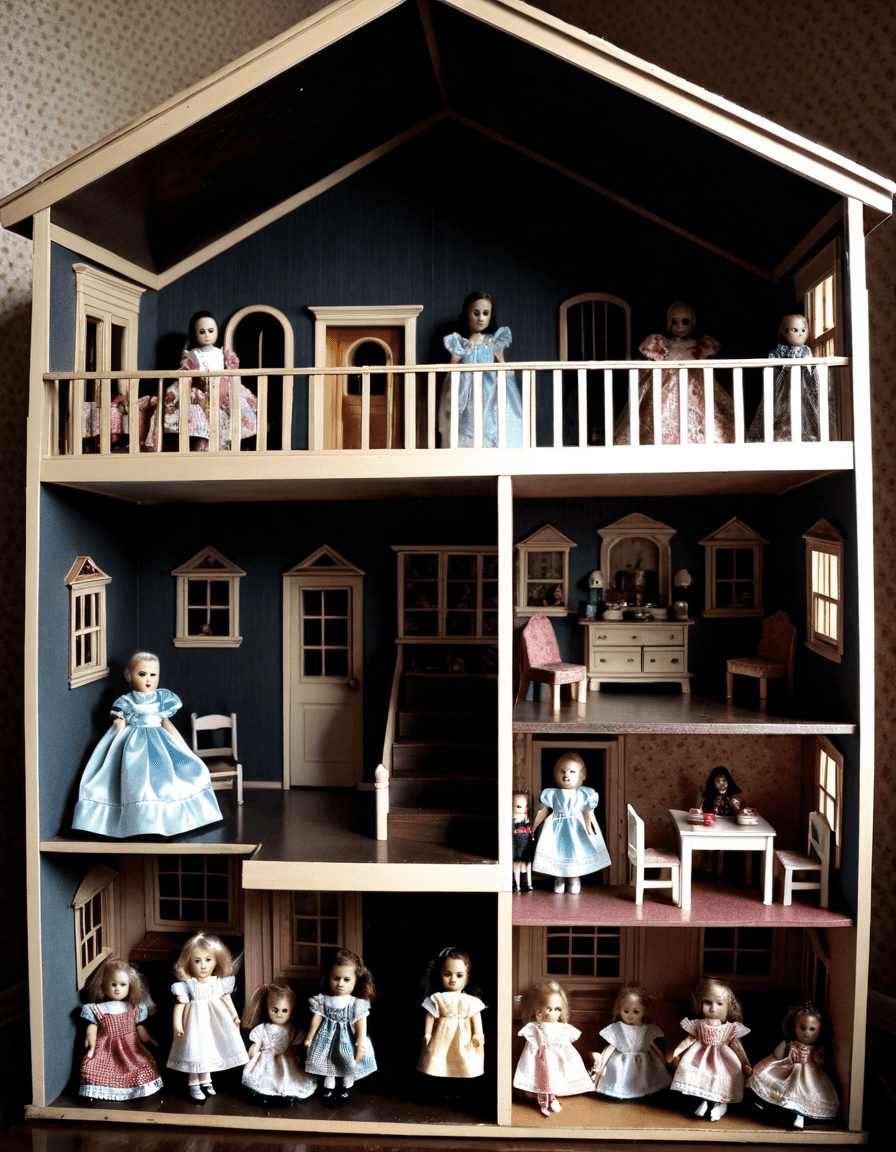
Top 7 Disturbing Acts that Define the Modern Creep
A. Online Harassment: The Dark Side of Social Media
We can’t ignore the unsettling reality of online harassment, which has become shockingly prevalent. Take the notorious Gamergate controversy, where game developer Zoë Quinn faced a deluge of threats and abuse from anonymous trolls. This case highlighted how online anonymity emboldens creeps, allowing them to unleash hatred without repercussions. The emotional toll of these attacks can lead to crippling anxiety, depression, and even anxiety-induced health issues.
The stakes are high, and the mental scars can linger long after the harassment fades. Victims such as Quinn show that the creepy underbelly of social media remains a festering wound in need of serious attention. The damage caused by such malevolent actions extends beyond just individual experiences; it threatens the fabric of online communities.
B. Phantom Stalking: Real-Life Examples of the Shadowy Presence
When discussing the creeps among us, nothing sends chills down our spine quite like phantom stalking. Cases like that of Rebecca Schaeffer, a talented actress murdered by an obsessed fan, remind us that not all shadows are benign. The fear of someone watching, listening, and plotting without the victim ever knowing is haunting.
These shadowy presences can manifest in scary ways, often intertwining fantasy and reality. Usually, their fixation is unreciprocated, with they harboring delusions about relationships that never existed. The question isn’t merely about what creeps do; it’s about how deeply this behavior impacts their victims, often in irreversible ways.
C. The Illusion of Innocence: Friendly Faces with Sinister Intentions
Sometimes dangers hide behind familiar faces, wearing the mask of goodwill. Charles Edmund Cullen, a nurse who took advantage of his position to harm rather than heal, exemplifies the creep lurking in our lives. This horrifying reality draws attention to how creeps can exist among us, camouflaged as friends or leaders.
We trust people every day, but with that trust comes vulnerability. Cullen’s narrative starkly showcases the heinous potential that lies beneath glossy surfaces. Are we overlooking warning signs and red flags to preserve our sense of safety? Could it be that the real creep hides in plain sight, challenging our perceptions of kindness?
D. Manipulative Relationships: The Creep Factor in Gaslighting
Gaslighting, a particularly damaging form of emotional manipulation, reveals the creep’s subtler side. In the highly publicized relationship of Amber Heard and Johnny Depp, layers of deception unfolded. While their stormy romance captivated the tabloids, the psychological aftermath of gaslighting embodies the creep at its insidious best.
Building trust only to undermine it creates a tantalizing but dangerous psychological trap. Remember, the creeps don’t always howl; sometimes, they whisper just loud enough to keep you questioning your reality. As the lines blur, navigating relationships can resemble a treacherous tightrope walk where one misstep may lead to a freefall into emotional chaos.
E. The Framing Lie: How Misinformation Creates Creep Narratives
Misinformation has a way of creating narratives that feed the creep phenomenon. The advent of deepfake technology raised alarm bells, highlighting how easily people can be manipulated. Celebrities like Tom Cruise have found themselves victims of malicious videos that distort their likenesses, spreading lies that damage reputations and incite fear.
This chilling capability puts everyone at risk, not just high-profile figures. When lies masquerade as truth, the doubts gnaw away at the psyche. The power of the narrative becomes a weapon, shrouding fact in a cloak of untrustworthy fiction — a frightful reminder that the line between reality and deception is thinner than we’d like to believe.
F. The Arrow in the Dark: Surveillance and Privacy Invasion
The creep factor extends beyond social media and relationships; it infiltrates our personal spaces through invasive technology. Celebrities like Jennifer Lawrence faced the horrifying reality of having their privacy obliterated through hidden cameras and hacked devices. These invasions send disturbing signals about how easily personal lives can become public fodder.
As technology becomes more refined, so do the tools of the modern creep. With each advancement, the sense of safety erodes as we discover that our personal lives are laid bare. The arrow in the dark, representing the invasive scrutiny of an unwanted gaze, pierces the fabric of personal freedom, demanding our urgent attention.
G. The Bravo Creep: Celebrating the Worst of Society
The glorification of creep behavior can lead to a dangerous fascination with malevolence. Characters akin to those in cult classics, like “American Psycho,” have become emblematic of society’s dual nature of repulsion and fascination. This complex interplay raises essential questions: Are we romanticizing what should repulse us?
True crime series and documentaries captivate audiences, leading them to engage with disturbing narratives. The more we consume these tales as just entertainment, the thinner the line blurs between understanding and glorifying native creepiness within us. This brave new world prods us to reassess how we engage with media and its broader implications on our perceptions of normalcy.
A Society at a Crossroads: The Path Forward
Confronting the creeping terror requires us to reassess how we navigate our interactions — both on and offline. Understanding that creep behaviors strain the very fabric of our society is a vital step. We need to recognize that these destructive forces thrive in the shadows, and shining a light on them calls for comprehensive strategies.
Educational reforms can lay the groundwork for robust mental health acceptance. Awareness campaigns about online safety, misrepresentation, and emotional manipulation can empower individuals against the creep phenomenon. As we address these profound issues, we foster a society that prioritizes mental well-being and emotional safety.
As we journey further into the digital age, the challenges posed by creep behaviors require collective awareness and action. Upholding respect and dignity for all must be central to creating a world where boundaries are preserved. The task ahead is daunting, but creating a more understanding society starts with each of us recognizing and rejecting the shadows in our lives.
In this twisty, tech-fueled world rife with creep behavior, we must strive for clarity amidst the chaos. Together, let’s forge a more respectful, safer space for everyone where the creep doesn’t stand a chance to thrive.
Creep: The Chilling Story Behind Their Disturbing Acts
Mysterious Inspirations Behind “Creep”
The creators of “Creep” drew from dark influences to craft its unsettling narrative. The film explores themes of isolation and obsession, striking a chord with many who find themselves creeping into the darker corners of human psychology. Did you know that the film’s eerie atmosphere owes much to its minimal budget? It’s amazing what a few unsettling sounds and clever cinematography can do. Speaking of low-budget successes, the cast Of The man Of steel had a similar journey—from modest beginnings to blockbuster fame. It’ll leave you pondering how some stories just resonate on a different frequency.
So what makes films like “Creep” stick with you? Much of it lies in the nuances of character development, as shown in this chilling story. The main character’s duality—both vulnerable and menacing—often reminds audiences of real-life figures who make the headlines for all the wrong reasons. Just like in Sadie Calvano Movies And tv Shows, where intricate character arcs keep viewers guessing and engaged,Creep” does similar work in its narrative, turning what might seem mundane into sheer terror.
The Art of Subtle Horror
Delving deeper into the genre, horror often hinges on its ability to evoke emotional responses rather than relying solely on jump scares. The concept of Core in horror lifts the veil on what truly haunts people—fear of the unknown, isolation, or even those lurking too close to the shadows. This technique mirrors modern societal fears, much like how Got touches upon the lengths filmmakers go to in ensuring audience engagement.
What’s fascinating is how the tension builds through seemingly innocent dialogues that escalate into discomfort. Just like the vibrant cast Of Drive away dolls brings their unique flair to storytelling,Creep” employs a similar strategy—highlighting dialogues that resonate with everyday awkwardness but amplified to an unnerving level. It’s a brilliant tactic that makes the audience both an observer and a participant in the unfolding chaos.
Real-Life Parallels
In the world of true crime, similarities abound between fictional works like “Creep” and actual events that capture public attention. For instance, there’s always that question buzzing in the back of our minds: What celebrity Died today? This morbid curiosity reflects a fascination with life’s fragility—a sentiment echoed in the eerie plot twists of horror films. The unsettling sense of unpredictability keeps us coming back for more, as do the compelling narratives of confrontations like the Tyson Jake paul fight, where reality often feels stranger than fiction.
Ultimately, the allure of “Creep” lies in its unsettling simplicity, underscoring the idea that horror can be found both in the wildest imaginations and in our everyday lives. As you journey into this chilling narrative, remember that perception plays a huge role in understanding what it means to be truly scared. Whether it’s through the haunting melodies or the disquieting content, you’re bound to become a little more aware of the creeps lurking in the shadows of our reality.