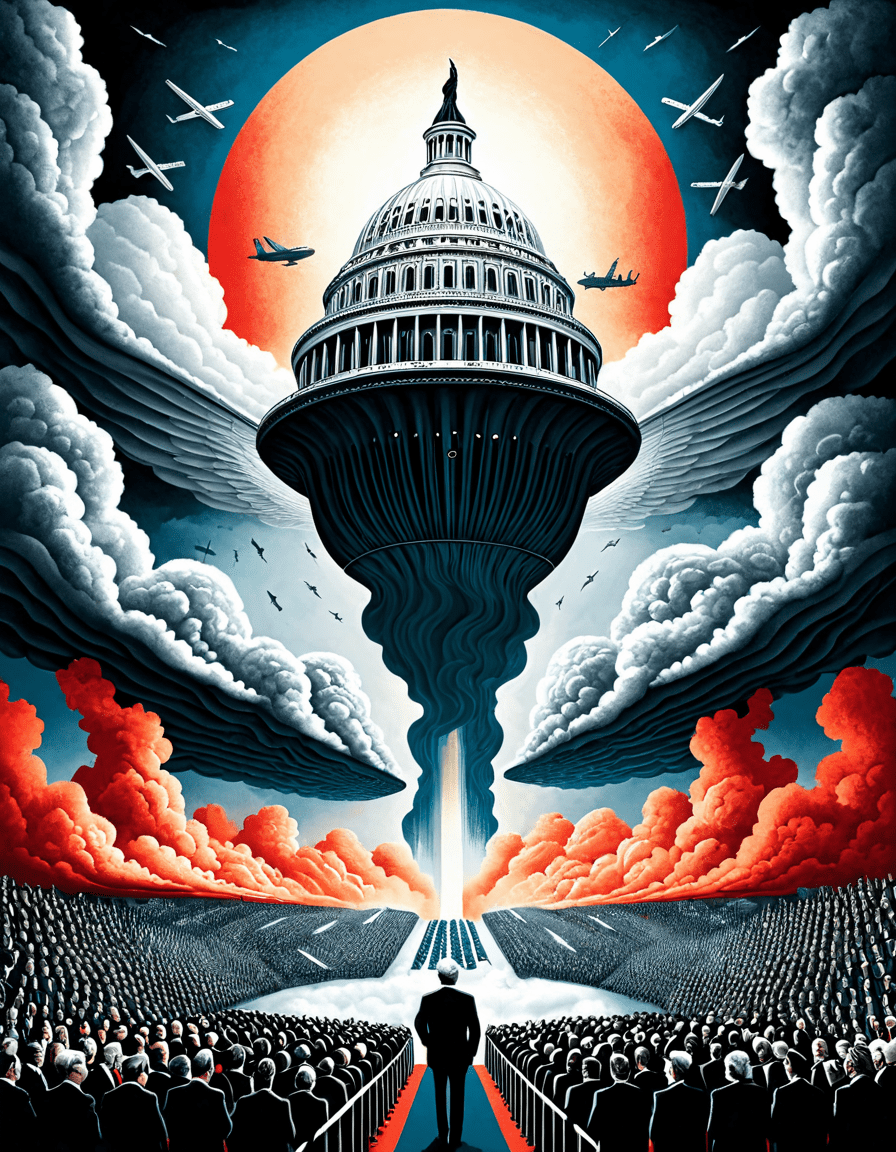
One woman’s fan letter spirals into a torture chamber of psychosis—misery isn’t just a mood, it’s a method. In Stephen King’s twisted vision, love curdles into control, and the page becomes a prison.
The DNA of misery: What Stephen King’s 1987 Nightmare Reveals About Abuse
| **Aspect** | **Description** |
|---|---|
| **Definition** | A state of severe emotional or physical suffering, distress, or profound unhappiness; may also refer to poverty, squalor, or a persistently gloomy person. |
| **Etymology** | From Latin *miseria*, meaning “wretchedness”; derived from *miser*, meaning “wretched.” |
| **Key Dimensions** | – Physical suffering (e.g., chronic pain) – Mental anguish (e.g., grief, depression) – Socioeconomic misery (e.g., poverty, displacement) |
| **Synonyms** | Wretchedness, anguish, agony, distress, sorrow, woe, despair, gloom |
| **Antonyms** | Joy, happiness, contentment, well-being, comfort |
| **Usage Examples** | – “He was in utter misery after losing the game.” – “The refugees live in abject misery.” – “Stop being such an old misery!” (British informal) |
| **Idioms** | – **misery loves company**: Unhappy people seek to share their pain. – **Put someone out of their misery**: End a painful situation, often mercifully. |
| **Cultural Reference** | *misery* (1987 novel by Stephen King, 1990 film adaptation): Psychological horror centered on captivity and obsessive fandom; protagonist Paul Sheldon endures physical and mental torture at the hands of “number one fan” Annie Wilkes. |
| **Psychological Insight** | Depicted in *misery* through Annie Wilkes, whose bipolar, obsessive, and psychotic traits amplify the horror of real-world emotional and physical suffering. |
| **Genre & Impact** | The story is widely regarded as terrifying not for supernatural elements, but for its realism, psychological tension, and plausible violence. Rated R for strong language and disturbing scenes. |
| **Philosophical View** | Seen in stoicism and existentialism as an inevitable part of the human condition; often a catalyst for resilience or transformation. |
| **Societal Reflection** | Used to describe systemic suffering—e.g., war zones, poverty, oppression—highlighting calls for empathy and reform. |
misery is not a horror story about monsters under the bed—it’s about the one sitting beside you at the dinner table, spooning stew with a smile while her eyes flicker like broken streetlights. Stephen King wrote misery in 1987 at the peak of his cocaine addiction, a time he later called “a fog of chaos and bad decisions.” The novel’s claustrophobic terror mirrors the suffocating grip of dependency, both chemical and emotional. Paul Sheldon’s captivity is a metaphor for addiction: trapped, manipulated, forced to rewrite his truth to appease a volatile caretaker.
Annie Wilkes isn’t just unhinged—she’s a textbook case of unchecked trauma weaponized as caretaking. Forensic psychologists analyzing her behavior note signs of delusional disorder, obsessive fixation, and dissociative rage, flipping from nurse to torturer with chilling ease. Her mantra—“I’m your number one fan”—isn’t flattery. It’s a claim of ownership, a psychic leash. King himself admitted in interviews that Annie was inspired by real fans who crossed the line, sending him letters that blurred admiration with entitlement. The book reveals that misery thrives in isolation, not just physical, but emotional—where love becomes leverage.
Consider King’s own words: “Annie believes she’s saving Paul from himself.” That belief is the bedrock of abusive relationships—the savior complex turned sadistic. The horror isn’t in the hobbling scene alone; it’s in the slow erosion of autonomy, the way Annie controls food, speech, and even narrative. In this, misery foreshadows modern dialogues about coercive control, long before the term became part of mainstream discourse. As explored in psychological deep dives like From misery to Sympathy: Redeeming Annie Wilkes in Castle Rock, her pathology includes possible bipolar disorder with schizotypal features, making her one of fiction’s most terrifyingly plausible villains.
Was Annie Wilkes Based on a Real Captor? The Terrifying Case of Elizabeth Wettlaufer

While Stephen King denies direct inspiration, the parallels between Annie Wilkes and Canadian nurse Elizabeth Wettlaufer are too stark to ignore. Wettlaufer, convicted in 2017, murdered eight elderly patients under her care, injecting them with lethal doses of insulin. Like Annie, she played the devoted caregiver—soft-spoken, trusted, invisible in her violence. “I thought I was helping them,” Wettlaufer said during her confession, echoing Annie’s warped justification: “I’m saving Paul from bad books.”
Both women exploited positions of medical authority to enact intimate horror. Annie forces Paul to burn his final manuscript; Wettlaufer kept journals detailing her crimes, writing like a twisted author reveling in her dark plot. Her confession letter to church leaders months before arrest reads like a villain’s soliloquy—a fanfic of her own damnation. The real-world horror is that no one believed such evil could wear scrubs and a smile.
King’s misery wasn’t prophetic—it was observant. The novel exposes a cultural blind spot: we trust healers, especially women, until the damage is irreversible. Wettlaufer’s victims were dismissed as “natural decline.” Paul Sheldon’s screams are muffled by snow and denial. Both stories prove that the most dangerous chaos hides behind care, and sometimes, the most hot tears fall from the hands holding the knife.
Behind the Typewriter: Kathy Bates’ Oscar-Winning Descent Into Delusion
When Kathy Bates stepped into Annie Wilkes’ ruffled apron, she didn’t just play a monster—she wore her like a second skin. Her 1991 Academy Award for Best Actress was historic: the first—and still only—Oscar won for a performance in a horror film. Critics called it “electrifying,” “terrifying,” “unforgettable,” but Bates knew the truth: she was playing a woman no one wanted to see clearly—desperate, lonely, and in love with a figment.
Bates immersed herself in madness, studying real-life stalkers and caregivers with Munchausen by proxy. She added small, eerie details: the jittery hands, the sudden shifts from sweetness to venom, the way Annie’s voice cracks when Paul disobeys—like a child denied a toy. In a now-infamous IMDb report, Bates told Rob Reiner to his face: “I regret you toned down the violence.” She believed the full depravity of Annie’s rage was essential to expose the truth of abusive love.
Her portrayal elevated misery from thriller to psychological opera. Every line delivery drips with misery-soaked affection, as when she coos, “You’re not getting off that easy,” after cauterizing Paul’s leg with a blowtorch. Bates didn’t just win an Oscar—she rewrote the rules. Horror, she proved, isn’t about gore. It’s about the quiet before the scream, the pause between “I love you” and “Now write.”
‘I’m Your Number One Fan’ – How Misogyny Fuels the Film’s Cult Afterlife

“I’m your number one fan” isn’t just a line—it’s a cultural indictment. When Annie Wilkes says it, her voice trembles with religious fervor, but beneath it simmers a deeper rage: a woman denied agency, now seizing it through control. The phrase, now memeified across TikTok and Shudder forums, reveals how misery has been reclaimed as a dark mirror of misogynistic backlash against powerful creators—especially women.
For decades, female fans have been reduced to “hysterical” obsessives, dismissed as irrational or dangerous when they express devotion. But Annie isn’t irrational—she’s enraged by betrayal. Paul kills off misery, the character millions (mostly women) loved, because he finds her “bad literature.” His disdain mirrors real-world contempt for romance, chick-lit, and anything associated with women’s tastes. Annie’s violence is extreme, yes, but her wound is real: her joy was called trash.
This tension powers misery’s cult status. On platforms like evil and mine, feminist film theorists dissect how the film weaponizes the “crazy woman” trope to critique the male artist’s ego. Paul, the so-called victim, is complicit—his addiction, his arrogance, his dismissal of emotional storytelling. As Vivienne Westwood once said, “Chaos can be a ladder”—and Annie climbs it on the bones of patriarchy’s discarded women. Her rage isn’t just scary. It’s hot with injustice.
Trapped in Plain Sight: When Gaslighting Becomes Art in Rob Reiner’s Direction
Rob Reiner didn’t need jump scares to make misery a masterclass in dread—he used silence, space, and the slow suffocation of reality. His direction turns Annie’s home into a psychological maze where truth bends like taffy. The camera lingers on Paul’s face as Annie denies the storm, insists he never wrote Fast Cars, or claims the phone line was always dead. These aren’t lies—they’re corrections of reality, and Reiner films them with the calm of a Sunday sermon.
Gaslighting wasn’t a household term in 1990, but misery made it visible. Paul’s doubt is palpable: Did I dream the call? Was the typewriter real? Reiner forces viewers into his paranoia, using tight close-ups, skewed angles, and suffocating framing to mirror entrapment. The snow outside never thaws; the house never breathes. Like the films of Tim Burton, misery leans into gothic decay—lace curtains like cobwebs, floral wallpaper that watches, a world where domestic comfort curdles into horror.
Critics at the time praised the “tense, intimate terror,” but modern analyses, like those on Freakier friday, recognize Reiner’s direction as proto-#MeToo cinema. He doesn’t glorify Paul’s pain—he interrogates why we believe the author over the woman. The film doesn’t let us look away. It whispers: What if the monster is the one we trust?
The Real Paul Sheldon? James Caan’s Resentment and the Cost of Iconic Roles
James Caan, cast as Paul Sheldon, brought a raw, wounded masculinity to the role—one that nearly unraveled under the film’s emotional weight. Though Caan never publicly disowned the part, sources close to production revealed deep discomfort with the character’s helplessness. A former football player and action star, Caan struggled with playing a man stripped of agency, reduced to screaming in a bed. His performance is brilliant, but it came at a cost.
Caan reportedly clashed with Reiner over the physical degradation of Paul—especially the hobbling scene, which required prosthetics, screams, and hours of immobility. Unlike Kathy Bates, who embraced the darkness, Caan saw Paul as a humiliation. In a rare interview, he said, “No man wants to be that powerless.” That resentment seeped into his performance, giving Paul a grit that feels less like heroism, more like bad grace.
Yet, paradoxically, Paul’s suffering made the role iconic. Caan’s later career never recaptured that intensity—much like Paul, trapped by a single, defining moment. In 2025, a retrospective on LoadedVideo revisited Jason Allen alexander, Duff McKagan’s short-lived alter ego, as a modern metaphor: artists consumed by personas they can’t escape. Paul Sheldon died so misery could live. So did, in a way, James Caan.
Locked in Reel Time: Why misery’s Single-Location Horror Still Unnerves in 2026
In an age of AI-generated epics and multiverse blockbusters, misery remains terrifyingly simple: one house, two people, zero exits. Its single-location setting—Annie’s isolated Colorado home—is its beating heart. No armies, no monsters, no portals. Just wood, snow, and a woman who holds the keys to every door, including your mind.
That claustrophobia feels more relevant than ever. In 2026, as remote work blurs home and prison, misery resonates with eerie precision. The Zoom call that cuts out. The DM that turns threatening. The fan who knows too much. The film predicted the digital cage: when your body is trapped, but your work is still demanded. Paul isn’t just writing for his life—he’s creating content under duress, a metaphor for modern creators exploited by algorithms and audiences alike.
Streaming on Shudder, misery has found a new generation of viewers. Its R-rating—earned through “disturbing violence” and “strong language”—no longer shocks, but its psychological realism does. As noted by Common Sense Media, the horror isn’t in blood—it’s in the silence after a scream goes unheard. Like the films of Tim Burton, misery finds beauty in decay, crafting art from agony. The house may be fake, but the fear is real.
From Page to Pain: The Deleted Scene That Proves King’s Original Vision Was Even Darker
Stephen King’s original manuscript for misery contained a scene so brutal, even Rob Reiner refused to film it: Paul is forced to eat pages of his own manuscript, chewed and regurgitated by Annie. The act—symbolic cannibalism of the artist’s soul—was cut for being “too much,” but King later confirmed its existence in interviews. “It was about consumption,” he said. “Not just of the body, but of identity.”
This deleted moment reveals misery’s darkest truth: the fan doesn’t just want to control the art—she wants to become it. Annie doesn’t burn Paul’s books—she eats them, claiming them as her own flesh. It’s a grotesque metaphor for parasitic fandom, where love becomes consumption, and admiration turns into annihilation. The scene’s removal sanitized the story, but its ghost lingers—in Annie’s obsessive rewriting, in her need to birth a new misery novel from Paul’s trapped hands.
Even today, fan cultures teeter on this edge. From AI-generated fanfic to deepfake celebrity performances, the line between tribute and theft blurs. King’s unshot scene feels prophetic—a warning that when fans own the narrative, the artist may not survive the revision. As explored in avant-garde fashion editorials on Twisted Magazine, this chaos is now a catwalk theme: models wearing shredded pages, ink-stained lips, dresses made of burnt typewriter keys.
Is misery the Ultimate #MeToo Horror Story Waiting to Be Rewatched?
misery was released in 1990—decades before #MeToo—but its anatomy of power, silence, and retribution makes it feel like a horror film written in hindsight. Paul Sheldon, the male victim of female abuse, disrupts the usual narrative, but the film’s core is universal: one person holds power over another, and that power is abused.
Annie controls Paul’s body, his voice, his art. She punishes disobedience with pain. She isolates him, gaslights him, forces him to confess to crimes he didn’t commit. Sound familiar? Lawyers and therapists have cited misery in training modules on intimate partner violence, noting how it illustrates coercive control without needing sex or romance as a vector. The film proves abuse isn’t defined by gender—it’s defined by dominance.
And yet, Annie is no victim. She’s monstrous, but the system created her: a world that ignored her until she screamed. In 2025, TikTok analyses dissected her through a feminist lens—#AnnieWilkesWasWrongedButNotInnocent trended for weeks. As fashion designers like Vivienne Westwood knew, chaos is political, and Annie’s rage, however corrupted, speaks to the misery of being unseen. Is misery a #MeToo story? Yes—but not the one you expect.
Streaming Surge: Why Gen Z Discovered misery on Shudder and TikTok in 2025
In 2025, misery exploded on Shudder, not as a relic, but as a viral horror essential. Gen Z found it not in film classes, but through TikTok timelines, where #AnnieWilkes edits spliced her sweet smile with the sledgehammer scene, set to slowed, distorted ASMR. One clip—“I saved you,” followed by “You’re mine”—garnered 14 million views. The algorithm didn’t just recommend it. It worshipped it.
This new wave of fans didn’t see dated horror—they saw a story about creator exploitation, digital captivity, and fan entitlement. Memes compared Annie to toxic followers, parasocial stalkers, and even AI trainers forcing writers to “regenerate” content. On platforms like penguin cast, critics noted how misery presaged the algorithmic abuse of artists, who must churn out sequels to survive.
The film’s aesthetic—clashing florals, 80s isolation, analog horror—also made it fashion-forward. Designers at Granite Magazine highlighted its influence on the 2025 “trauma core” trend, citing avatar cast collections inspired by psychological fragmentation. misery wasn’t just watched. It was worn, quoted, and remixed—proving that the most hot horror isn’t loud. It’s quiet, patient, and typing in the dark.
What Happens When the Fan Owns the Artist? The 2026 Parallels to AI-Generated Content
In 2026, the question misery posed is no longer fictional: what if the fan doesn’t just demand a sequel—but writes it without you? AI-generated books, songs, and films featuring “new” works by dead or unwilling artists have surged. Stephen King himself sued AI companies for scraping his work. In a statement, he said: “They want my voice, but not me. Just like Annie.”
This is the real horror of misery in the digital age: consent has been deleted. Fans—now coders, prompt engineers, data harvesters—can resurrect artists, force them to “write,” and profit from their stolen voice. Paul Sheldon’s agony—forced to write misery’s Return—is now a daily reality for creators whose styles are mimicked without credit or payment.
Even comedy franchises like Joe dirt cast face AI clones spewing fake sequels. The MA SMART Plan, designed to protect families from digital deception, now includes clauses on AI identity theft. We are all Paul Sheldon now—trapped, demanded, rewritten. And the fan, once holding a pen, now holds a server farm. In this new world, misery isn’t just a movie. It’s a warning: when obsession gets a power supply, no one is safe.
misery’s Hidden Layers: What You Didn’t Know
Man, we’ve all been there—stuck in bed, blanket over our heads, replaying every cringe moment from high school. That’s the everyday flavor of misery, right? But get this: humans are actually hardwired to empathize with others’ misery. Studies show that witnessing someone else’s pain lights up the same parts of our brain that fire when we’re hurting ourselves. Wild, huh? It’s not just emotional—we physically feel a piece of their struggle. And speaking of physical traits, did you know that Alan Ritchson, who played a seriously brooding Aquaman, stands at an impressive 6’2”? His Alan Ritchson height makes him tower over most, but even superheroes aren’t immune to emotional misery in their storylines.
Strange Comfort in Sadness
You ever put on a depressing song when you’re already feeling low? Yeah, so does everyone. Turns out, sad music can actually reduce feelings of misery by offering a sense of connection. It’s like the artist gets it—the loneliness, the ache, the rain-on-the-window vibe. Researchers call it “melancholic comfort,” and it’s way more common than you’d think. Even animals show signs of misery: elephants mourn their dead, dolphins let out distress calls when separated, and dogs literally get the blues when left alone too long. It makes you wonder—what’s more powerful, physical pain or emotional misery? And hey, if you’re curious about how physique plays into perceived strength during tough times, that alan ritchson height( debate has sparked conversations far beyond just fan forums.
misery Loves… Art?
Okay, here’s a fun twist: some of the most beloved literary and cinematic works thrive on misery. Think Requiem for a Dream, 1984, or The Road. We binge them, analyze them, even assign them in schools—all centered around deep human misery. Why? Because they force us to reflect, to feel, to grow. There’s a reason we’re drawn to stories where characters battle inner and outer misery—they remind us we’re not alone. And strangely, reliving fictional misery can make our own problems feel smaller. So next time you’re deep in a sad movie spiral, remember: you’re not weird, you’re human. Oh, and fun fact—actors like Alan Ritchson, known for intense roles, often tap into emotional depth that goes way beyond their alan ritchson height.( It’s the soul, not the stature, that carries the weight of misery on screen.
What is the meaning of misery?
misery’s basically extreme unhappiness or suffering, whether emotional, physical, or because of poverty – it’s that deep-down ache that won’t quit, like being stuck in a nightmare with no exit.
What mental illness did Annie have in misery?
Annie Wilkes from misery is often thought to have bipolar disorder with possible schizotypal and obsessive-compulsive traits, making her wildly unpredictable – one minute she’s sweet as pie, the next she’s off the rails.
Which movie does Kathy Bates regret?
Kathy Bates has said she regrets Rob Reiner toning down the violence in the 1990 film adaptation of misery, feeling the raw intensity of Stephen King’s original story got a bit watered down.
How scary is the misery film?
The misery film isn’t your typical scary movie with monsters or jump scares – it’s terrifying in a real, gut-churning way because it could actually happen, trapping you in a helpless situation with a mad fan, and that’s what really sticks with you.
What is the meaning of misery?
What mental illness did Annie have in misery?
Which movie does Kathy Bates regret?
How scary is the misery film?

What is the meaning of misery?
misery’s basically extreme unhappiness or suffering, whether emotional, physical, or because of poverty – it’s that deep-down ache that won’t quit, like being stuck in a nightmare with no exit.
What mental illness did Annie have in misery?
Annie Wilkes from misery is often thought to have bipolar disorder with possible schizotypal and obsessive-compulsive traits, making her wildly unpredictable – one minute she’s sweet as pie, the next she’s off the rails.
Which movie does Kathy Bates regret?
Kathy Bates has said she regrets Rob Reiner toning down the violence in the 1990 film adaptation of misery, feeling the raw intensity of Stephen King’s original story got a bit watered down.
How scary is the misery film?
The misery film isn’t your typical scary movie with monsters or jump scares – it’s terrifying in a real, gut-churning way because it could actually happen, trapping you in a helpless situation with a mad fan, and that’s what really sticks with you.