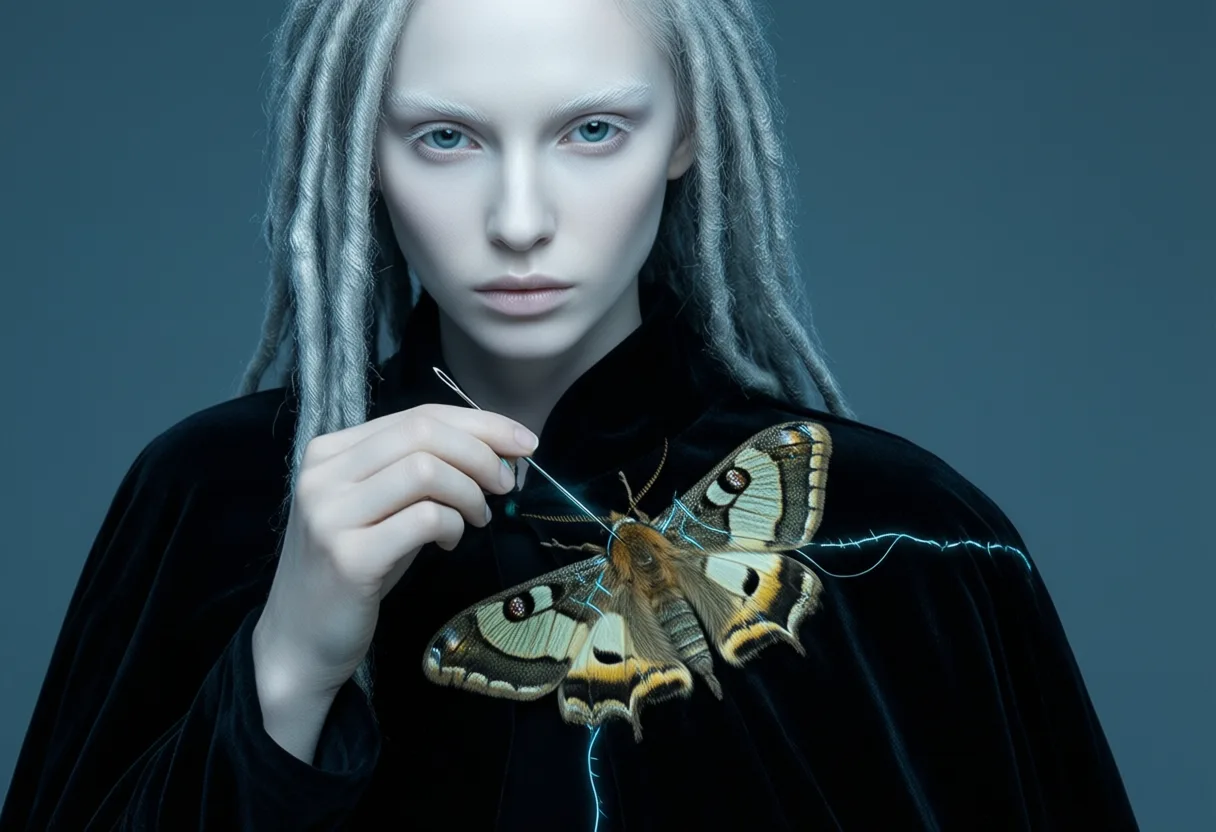
Midnight lace whispers against pale skin. Chains drape like forgotten vines over leather corsetry, and the scent of ink-dark, indelible-mingles with sandalwood and rebellion. This is not Fashion As costume; it is fashion as confession, as ritual, as the body’s quiet scream made visible.
The Anatomy of Rebellion: Dressing the Unseen Self
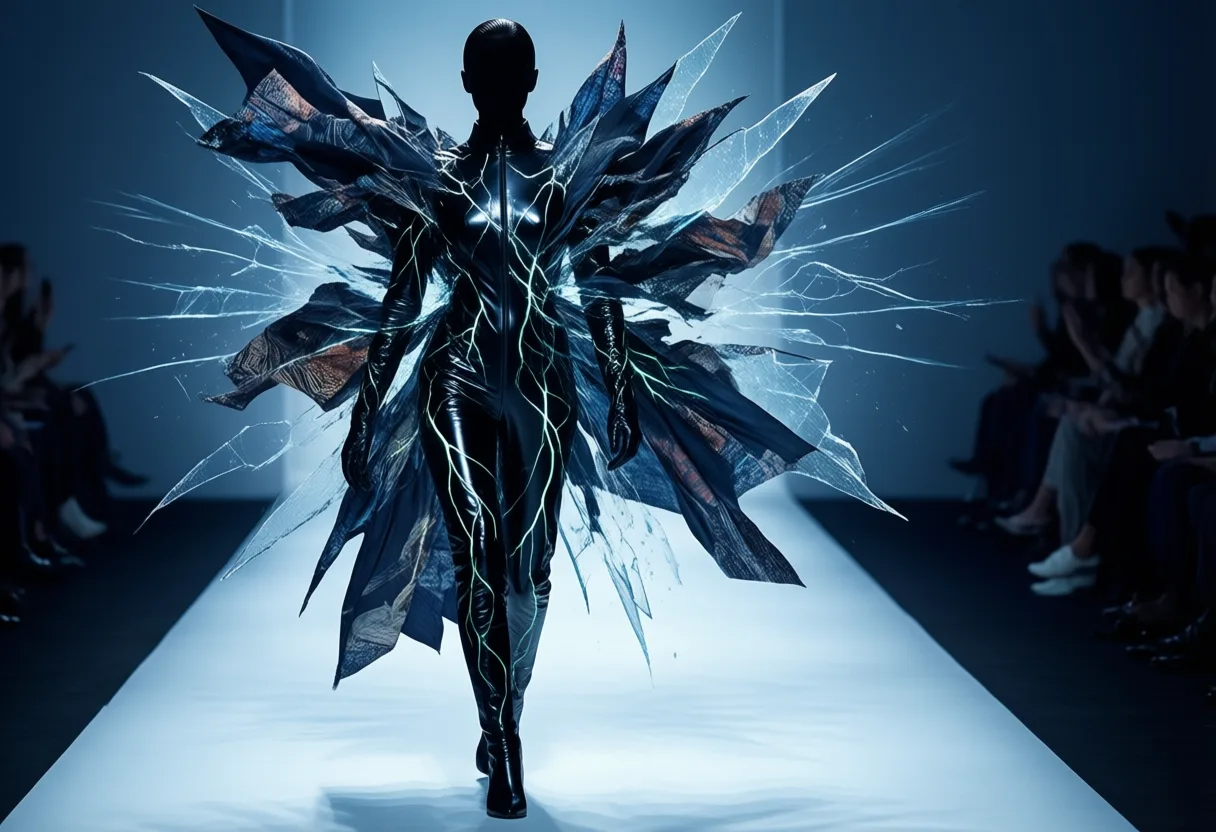
Clothing has never been merely fabric. In the dim glow of city underbellies and candlelit ateliers, garments become armor, talismans, declarations scrawled in thread and dye. The silhouette leans into asymmetry-uneven hems, mismatched sleeves, collars that bite into the jawline like suppressed words. Structure is subverted, not to destroy, but to reframe. Corsets lace over tailored suits; fishnets tear under wool coats; velvet gloves cradle blades of polished steel.
There’s a language in the frayed edge, the rusted buckle, the brooch shaped like a moth with one wing missing. These are not flaws. They are intentional scars, echoes of time spent resisting the seamless, the mass-produced, the expected. The wearer doesn’t hide imperfection-they elevate it, emboss it with meaning. A dress stitched from vintage bedsheets carries the ghost of dreams; a jacket patched with concert tickets becomes a living archive.
Color, too, rebels. Not the pastels of approval or the neutrals of invisibility, but Deep plum, oxidized green, blood rust, and the black that drinks light. These are hues of earth after rain, of veins beneath translucent skin, of ink bleeding Through parchment. They do not flatter-they reveal. And in their depth, a quiet confidence blooms: I do not need to be soft to be beautiful. I do not need to be quiet to be seen.
Craft as Ritual: The Slow Pulse of Handmade Identity
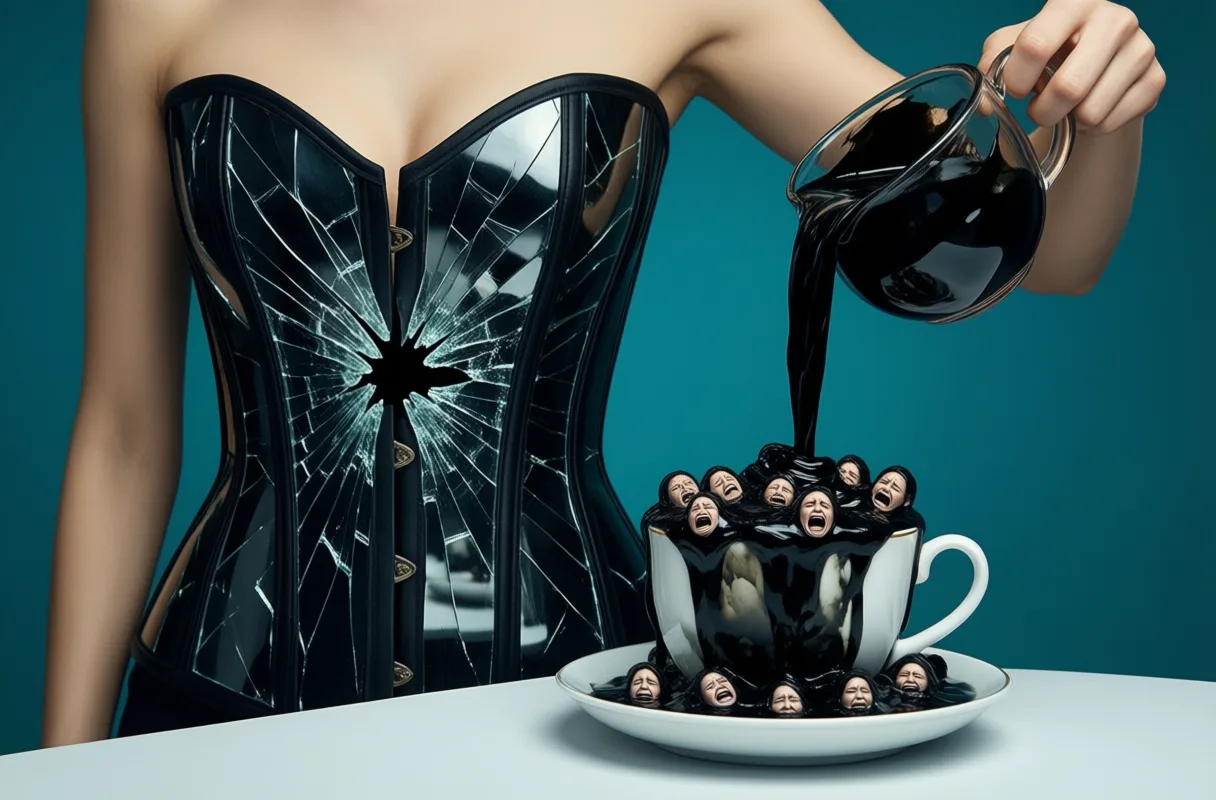
In an age of algorithms and instant delivery, the hand-stitched seam is an act of defiance. Each loop of thread is a meditation, each bead a decision made in silence. The alternative aesthetic favors the Tactile over the temporary-raw-edged lace, hand-dyed silks, Leather Tooled with symbols only the wearer understands. These are not trends. They are heirlooms in the making.
Workshops hum with the sound of needles and whispers. Artists press stamps into fabric like ancient sigils; others dip cloth into vats of indigo, watching blue bloom like a bruise. Embroidery spells out forgotten poems or names of the dead. Buttons are repurposed from antique furniture, zippers left exposed like surgical sutures. Every piece carries the weight of time, of choice, of resistance to the conveyor belt of consumption.
This is Fashion As slow art. It does not beg for likes. It demands presence. To wear a handcrafted garment is to carry a story forward-not one sold in a campaign, but one lived, altered, repaired. A skirt hemmed three times tells of growth. A jacket stained with wine and ash tells of nights that mattered. These clothes are not perfect. They are Alive.
Beyond the Binary: Fashion as Fluid Resistance
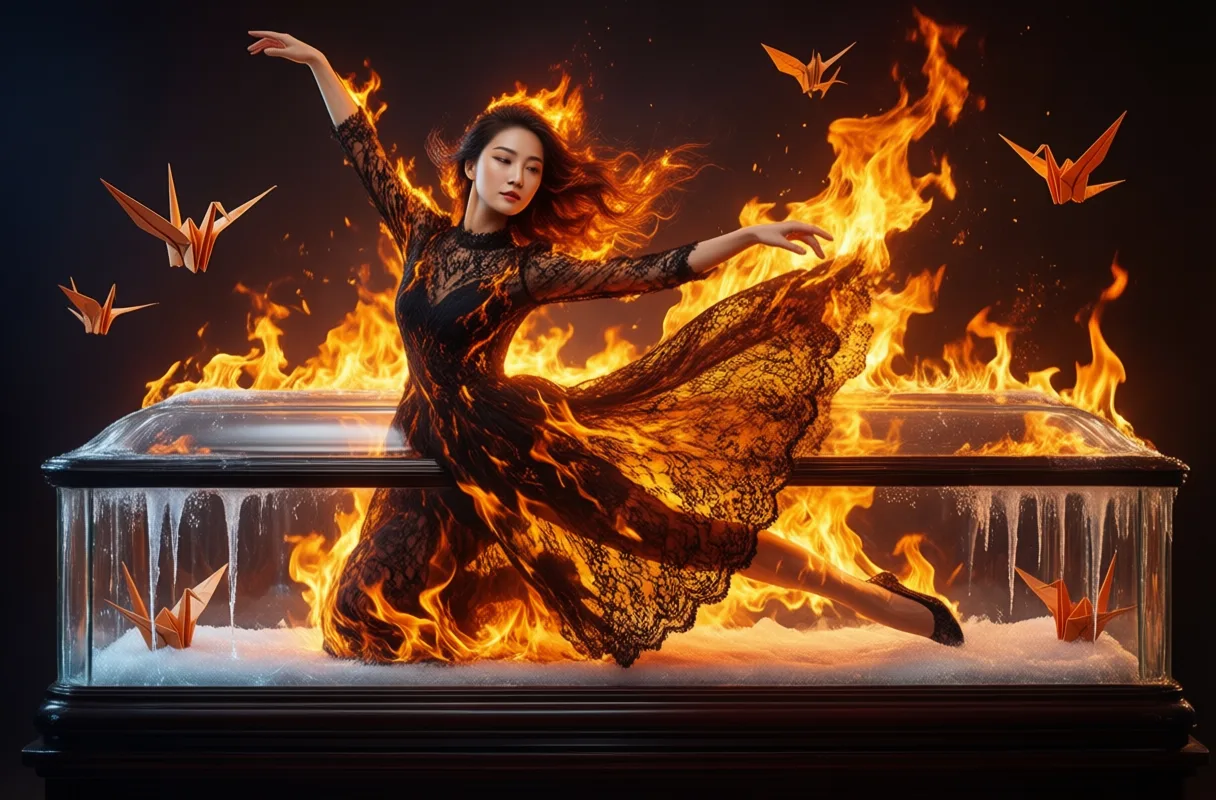
The body is not a mannequin. It is a landscape-shifting, scarred, sacred. Alternative style Refuses the rigidity of gendered dressing, not as performance, but as truth. Ruffles drape over broad shoulders. Tailored trousers cling to curves like secrets. Makeup-smudged kohl, dark lacquer lips, silver dust on temples-is not disguise, but Reclamation.
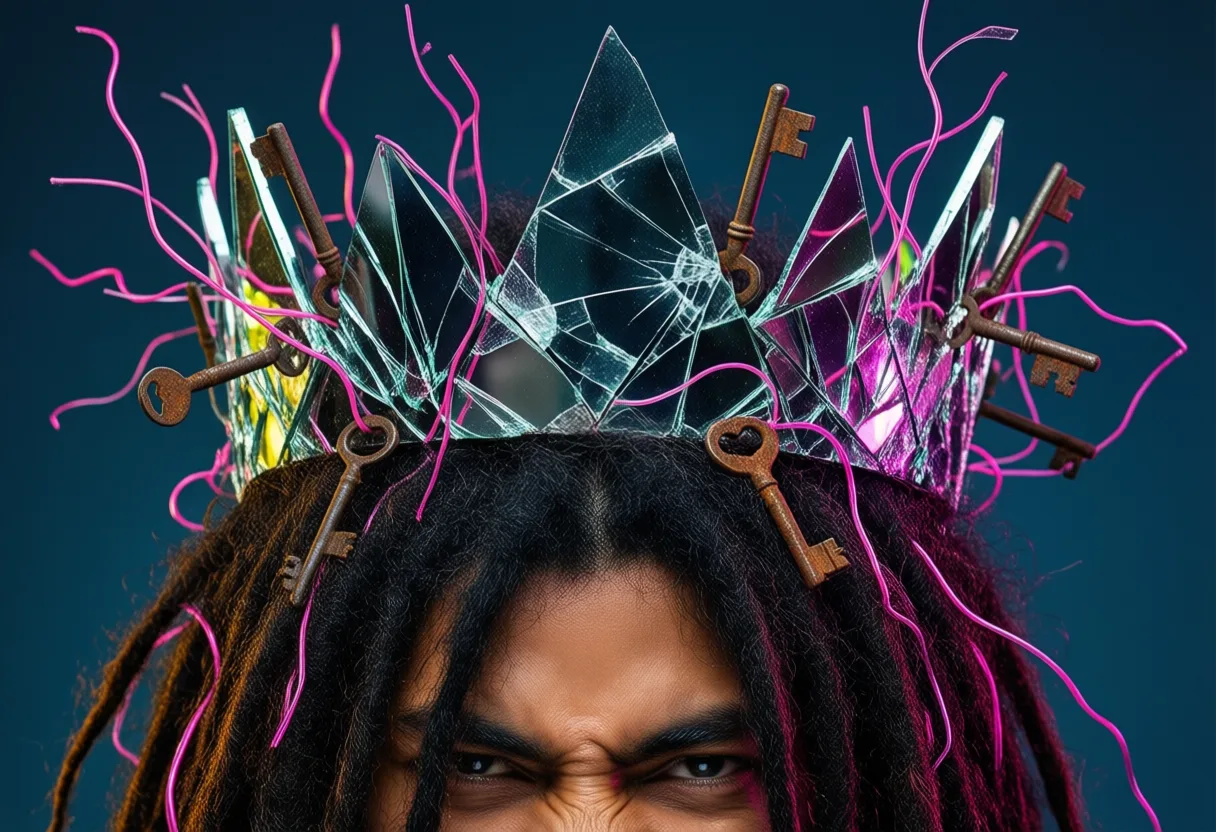
Androgyny here is not a trend, but a natural state. It breathes in the boy in a lace veil, the woman in combat boots and tulle, the person who wears both and neither. Jewelry pierces not just ears, but narratives-nose, brow, lip-each stud a punctuation mark in a sentence still being written. Hair defies gravity and expectation: shaved sides, braids wrapped in wire, colors that don’t exist in nature.
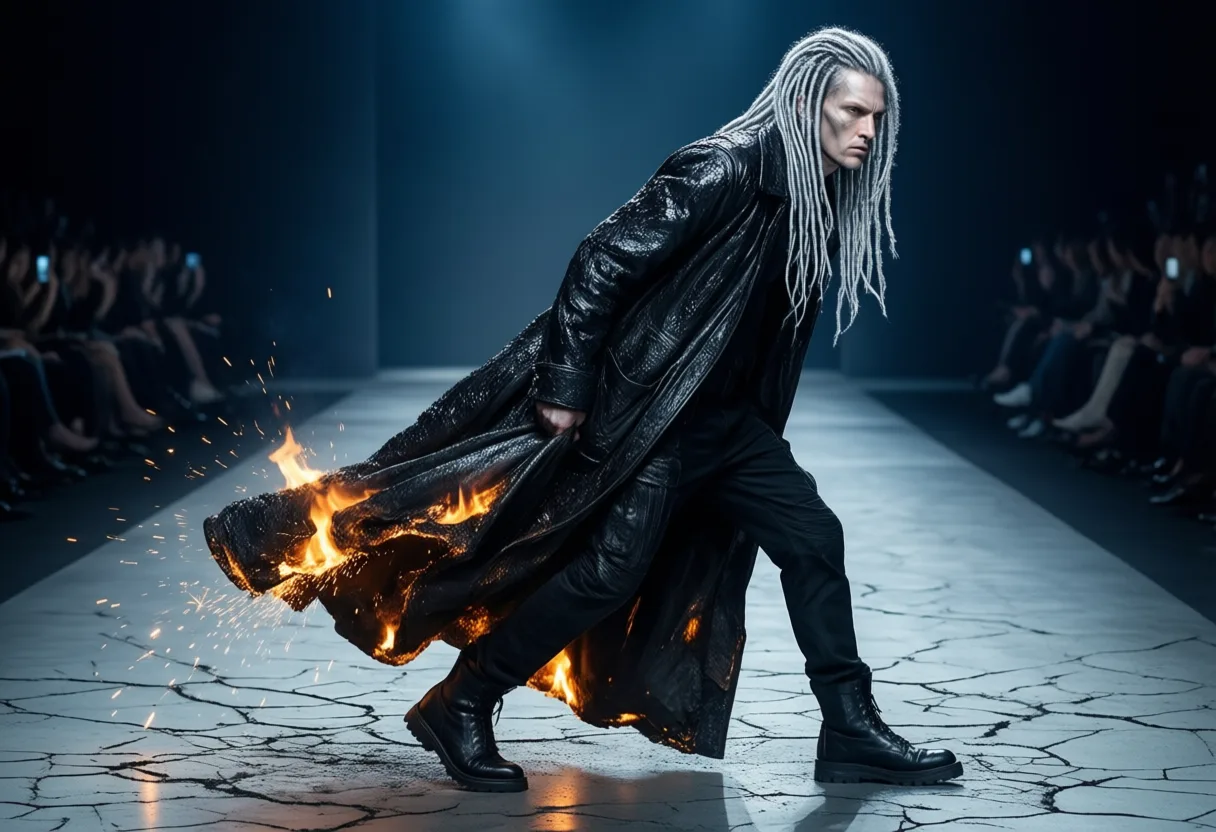
This is not chaos. It is Intentional dissonance. A dress made of chainmail. A veil stitched from maps. A coat lined with pages from a burned diary. These choices are not random. They are the outward pulse of an inner world too vast for silence. To dress this way is to say: I am not simple. I am not safe. I am not yours to define.
The Quiet Revolution: Beauty in the Unseen Corners
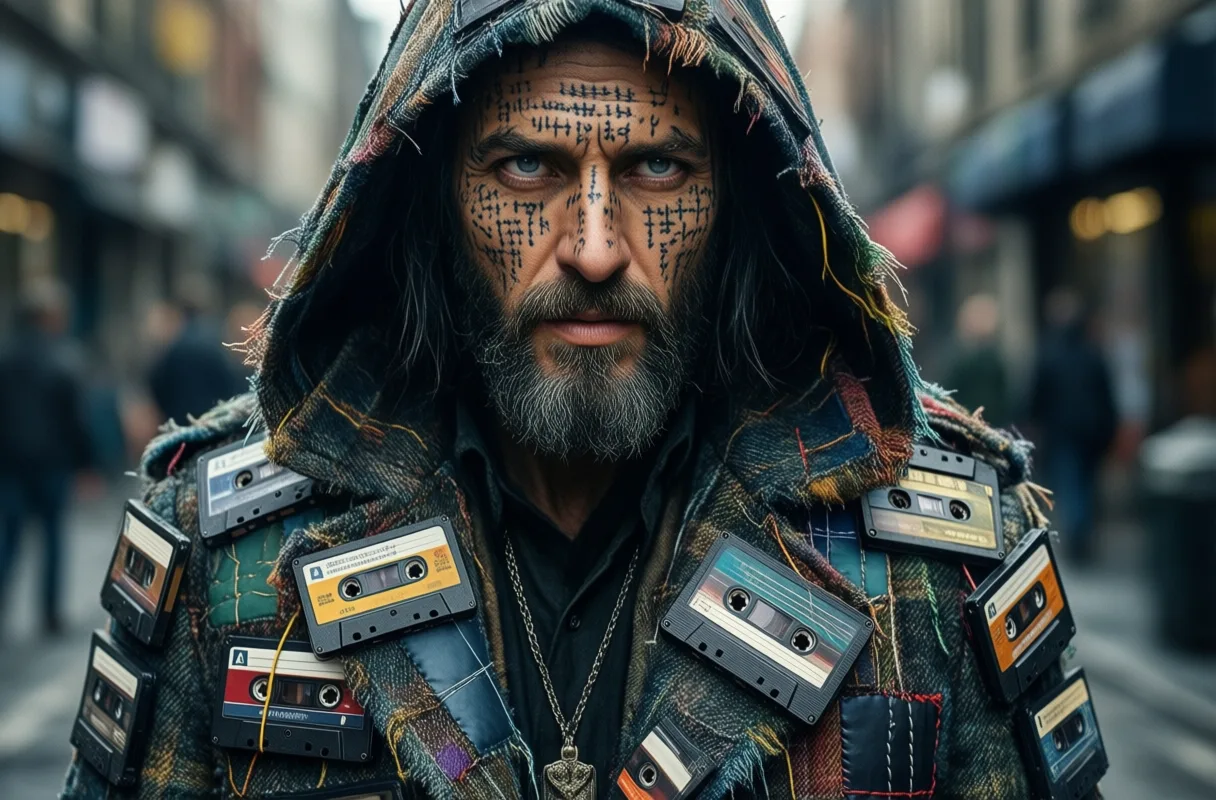
Mainstream fashion flickers like neon-bright, fast, gone. But here, in the shadowed corners, something deeper takes root. It grows in basements, in studios lit by candlelight, in the quiet pride of someone who walks down the street wrapped in a cloak they stitched themselves. This is not about being seen. It is about Being real.
Beauty, in this world, is not symmetry. It is the crooked smile, the scar through the eyebrow, the dress that doesn’t match but Feels Right. It is the confidence of someone who knows their skin, their shape, their soul-and dresses it without apology. There is no filter. No airbrush. Just the raw, trembling truth of existing exactly as you are.
And perhaps that is the boldest style of all. Not the tallest boot, not the sharpest spike, but the quiet act of wearing your heart on the outside-stitched, dyed, laced, and unafraid. In a world that demands conformity, To be visibly yourself is the ultimate rebellion.
Style Rebels and Runway Outcasts
From Underground to Mainstream
Long before alternative fashion hit the spotlight, punk’s ripped shirts and safety pins were a middle finger to 1970s conformity. Bands like The Sex Pistols didn’t just make noise with music-they turned fashion into rebellion, encouraging fans to customize their clothes with slogans, paint, and deliberate destruction. This DIY spirit still pulses through alternative styles today, where a hand-painted denim jacket or a pair of combat boots scuffed from real use carries more weight than a price tag.
Goth fashion, often misunderstood, draws deeply from Victorian and Romantic aesthetics-think high collars, lace, and flowing fabrics-all reimagined in black. It’s not about being morbid; it’s about drama, contrast, and a love for the poetic. Meanwhile, cyberpunk and techwear styles emerged from sci-fi visions, favoring function with layered vests, cargo pants, and utility belts, blending dystopian fantasy with real-world practicality.
Icons Who Redefined the Rules
Musicians have always been the unofficial designers of alternative trends. Siouxsie Sioux’s dramatic eye makeup and towering wigs helped shape goth’s visual language, while Adam Ant’s pirate-inspired looks brought theatrical flair to post-punk. In the 1990s, the grunge movement made flannel shirts, ripped jeans, and worn-out sneakers a global statement-proving that looking “undone” could be a deliberate, powerful choice. These styles weren’t about looking expensive; they were about looking real, raw, and unapologetically different. Explore more stories, videos, and creators on Loaded.
Frequently Asked Questions
What is alternative fashion?
Alternative fashion is clothing used as a form of personal expression, rebellion, and identity. It embraces asymmetry, imperfection, and non-traditional materials to make visible the wearer’s inner world.
How does alternative fashion challenge gender norms?
It rejects rigid gendered dressing by blending elements like ruffles on broad shoulders or tailored trousers on curves. Makeup and hairstyles are used as reclamation, not disguise, expressing fluid identities.
What role does handmade clothing play in alternative fashion?
Hand-stitched garments represent defiance against mass production. Each piece carries history, intention, and time-like embroidery of forgotten poems or repurposed antique buttons.
Who are some icons that influenced alternative fashion?
Siouxsie Sioux shaped goth aesthetics with dramatic makeup and wigs. Adam Ant brought theatrical flair, while 1990s grunge musicians made ripped jeans and flannel shirts a global statement of raw authenticity.
This article was produced with AI assistance. How Twisted Magazine uses AI.
Mira explores the artistry behind tattoos and avant-garde beauty, spotlighting innovators who blur identity and expression. She approaches each piece as cultural narrative, weaving personal journeys with global trends in bold, intimate profiles.