
Fashion Has always been a mirror held up to society-sometimes polished, sometimes cracked. What we wear whispers our secrets, shouts our defiance, or simply says, I refuse to blend in. And right now, in the shadows just beyond the spotlight, something quietly radical is stitching itself together.
What Lies Beyond the Mainstream Runway?
The glossy pages and algorithm-driven feeds love their monoculture moments-single trends, mass-produced moods, the same silhouette on every influencer from Oslo to Osaka. But step off the beaten path and you’ll find a different rhythm: one built on contradiction, craft, and quiet chaos.
Mainstream fashion cycles fast, But alternative Expressions often move like tectonic plates-slow, inevitable, reshaping the landscape beneath our feet. These aren’t trends so much as ecosystems of identity, where clothing becomes both armor and manifesto.
You won’t always see them at Fashion Week, but you’ll spot them at midnight poetry slams, in rain-soaked festival fields, or leaning against a graffiti-tagged wall with a cup of overpriced oat milk latte. This is where style stops being decorative and starts being declarative.
The Roots of Rebellion in Clothing
Clothing has never just been about covering up. From the first slashed sleeves of Renaissance courtiers to the ripped jeans of punk’s birth, Fabric has always carried fury.
Rebellion in fashion isn’t new-it’s ancestral. It lives in the way a safety pin can become a symbol, or how a boot can be a battering ram against conformity. The clothes we choose can be quiet acts of resistance or full-blown sartorial insurrections.
Historically, subcultures have used dress to carve out space in a world that often ignores or ridicules them. Whether it’s the sharp tailoring of the zoot suiters defying wartime rationing or the androgyny of glam rockers dismantling gender norms, Style has long been a tool of survival.
Even now, when individuality is marketed back to us as a product, the true rebels are the ones who refuse to let fashion be just another commodity. They make, alter, repurpose-because sometimes, the most radical thing you can do is wear something that Means Something.
Why Subcultures Dress to Disturb
Subcultures don’t dress to be liked. They dress to be seen, questioned, remembered-or sometimes, just to vanish into their own world.
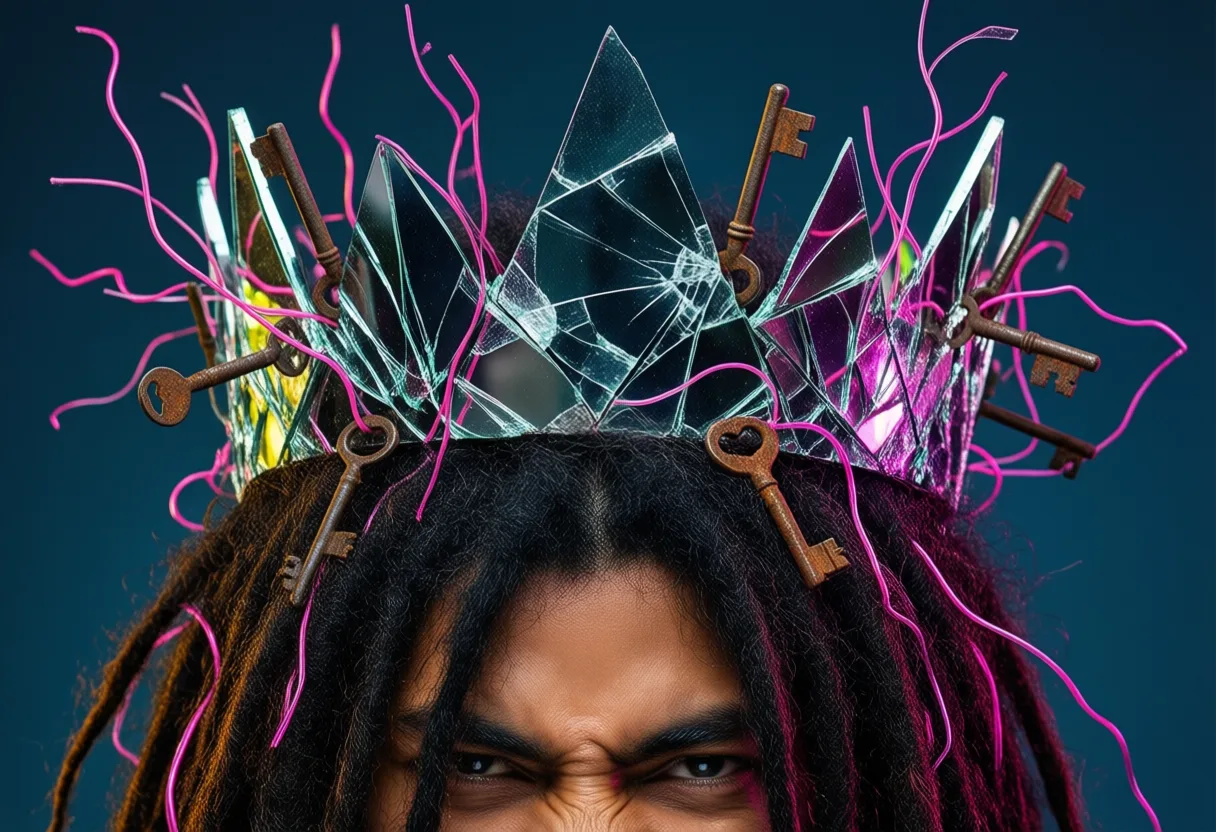
The intention isn’t always provocation, but provocation often follows. A bright green mohawk, a face painted like a shattered mirror, a coat made of recycled vinyl banners-these aren’t accidents. They’re Statements in textile form.
Belonging is a powerful force. In a world that demands assimilation, finding a tribe that speaks your visual language can feel like coming home. And when that tribe dresses in code-patches, colors, cuts known only to initiates-it creates a silent solidarity.
Yet, the moment these styles catch the eye of the mainstream, they risk being stripped of meaning. What begins as a symbol of resistance becomes a print on a fast-fashion dress sold in a mall. The cycle is predictable, but the subcultures? They’ve already moved on.
From Sidewalks to Social Media: The Evolution of Alternative Style
Before hashtags, subcultures were local. You found them in basements, record shops, or late-night bus stops. Now, a kid in Reykjavik can discover a Tokyo-based darkwave collective and adopt their aesthetic by Tuesday.
Social media has flattened geography but complicated authenticity. A look that took years to cultivate in real life can be replicated in minutes with a filter and a thrift store haul. Virality doesn’t equal understanding.
Still, platforms have given marginalized styles a megaphone. Movements once dismissed as “phases” now have archives, communities, and influence. The democratization of imagery means no single gatekeeper decides what’s “in.”
But with reach comes dilution. The deeper the meaning, the easier it is to misread when stripped of context. A lace glove isn’t just cute-it might be mourning. A chain isn’t just edgy-it might be bondage gear reclaimed as empowerment.
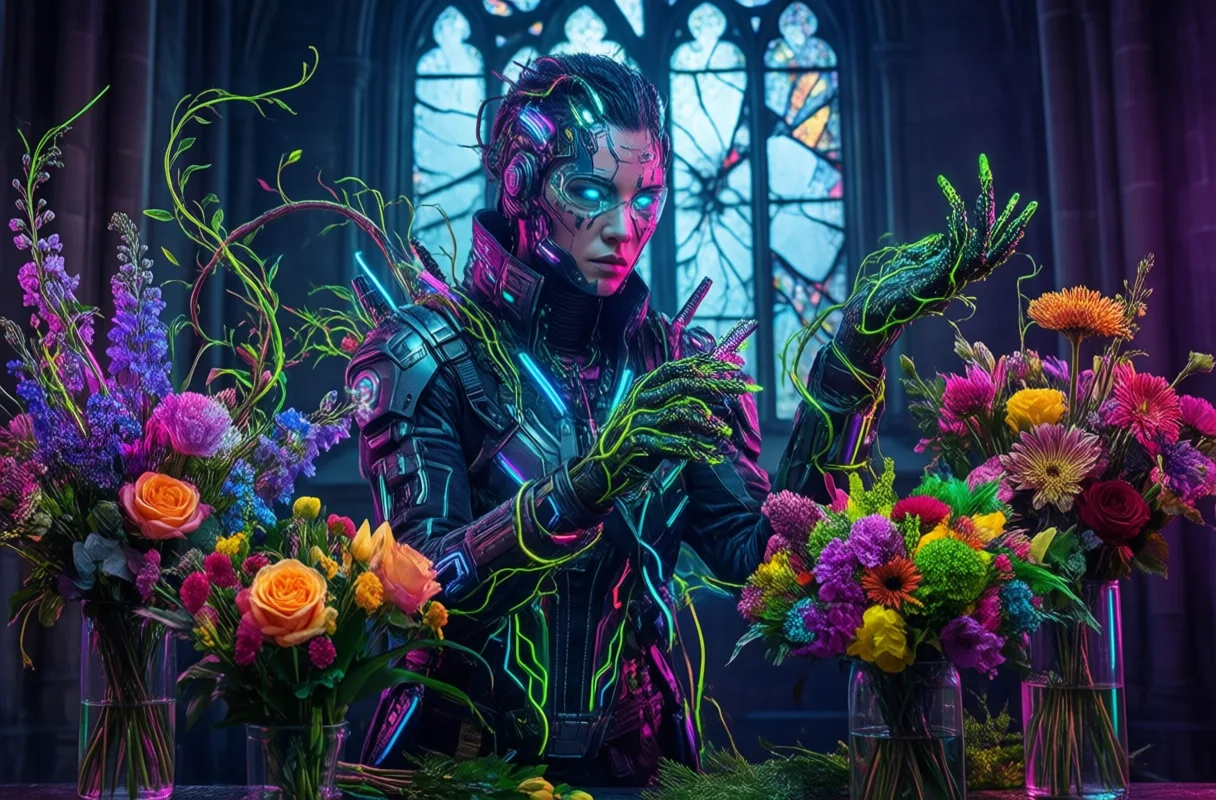
1. Cyberpunk and the Neon-Lit Future of Fashion
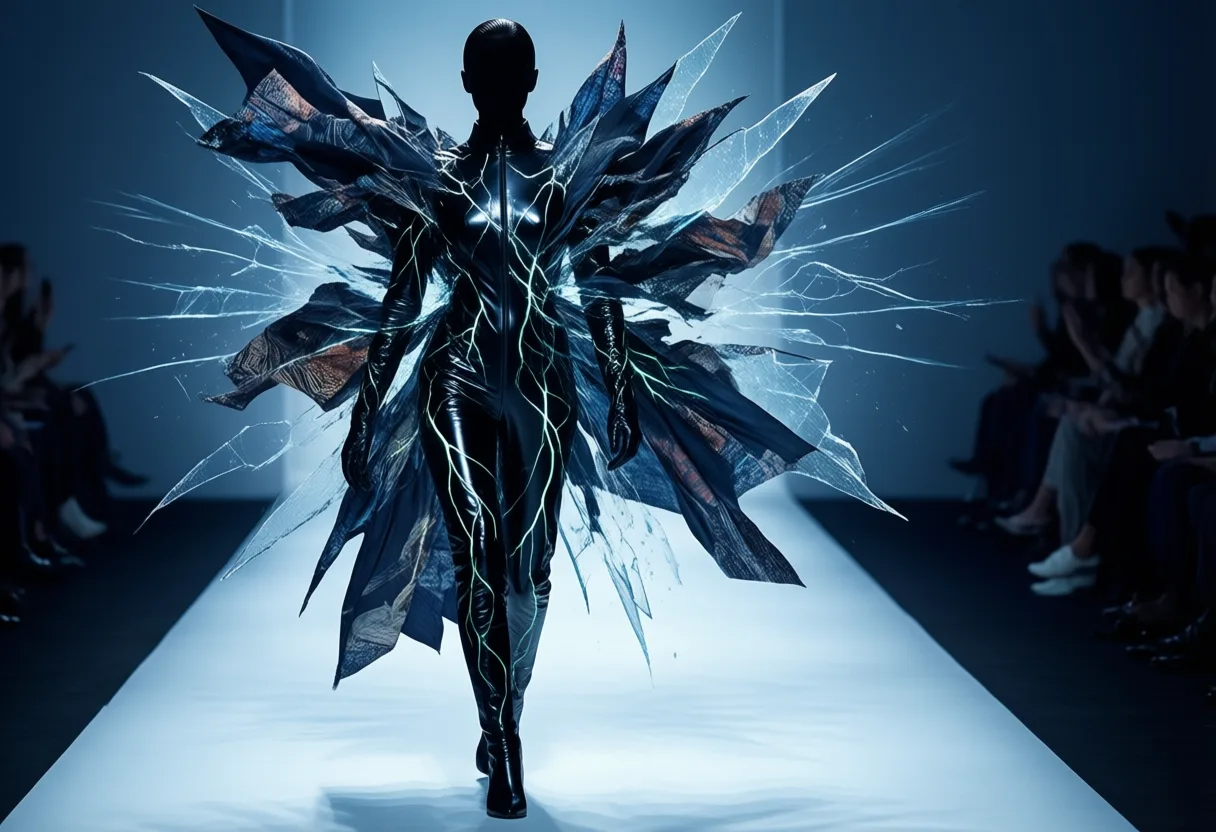
Imagine a world where rain never stops, corporations own your DNA, and your jacket projects your mood in holograms. That’s the aesthetic fuel of cyberpunk-a love letter to dystopia with a surprisingly vibrant wardrobe.
Rooted in sci-fi but reborn in Streetwear, this style thrives on Contrast: sleek tech fabrics against grime, glowing accents in shadowed alleys, human skin peeking through synthetic mesh. It’s fashion for a world that’s already broken.
- Reflective materials and LED trims turn bodies into moving circuits
- Asymmetrical cuts suggest a future where symmetry is obsolete
- Gas masks, goggles, and fingerless gloves aren’t costumes-they’re survival gear with flair
The beauty of cyberpunk fashion lies in its refusal to romanticize the future. It doesn’t promise utopia. It dresses for the war, then adds glitter.
2. Cottagecore’s Romantic Escape from Modernity
In a world of burnout and endless notifications, cottagecore offers a fantasy: bread baking, wildflowers in mason jars, and dresses that swirl like dandelion fluff in the wind.
It’s not just a look-it’s a longing. For slowness. For dirt under fingernails. For a life untracked by algorithms. The fashion reflects that: Soft, layered, imperfectly beautiful.
- Puff sleeves, pinafores, and high-waisted skirts echo Victorian and Edwardian silhouettes
- Natural dyes, linen, and hand-embroidery reject mass production
- Basket bags, lace-up boots, and floral crowns complete the pastoral dream
But don’t mistake it for naivety. Cottagecore often carries a quiet political pulse-rejecting capitalism, embracing sustainability, and redefining femininity on its own terms.
3. The Raw Aesthetic of Post-Punk Revival
Post-punk never really died. It just went underground, fed on vinyl and frustration, and resurfaced with sharper edges and better boots.
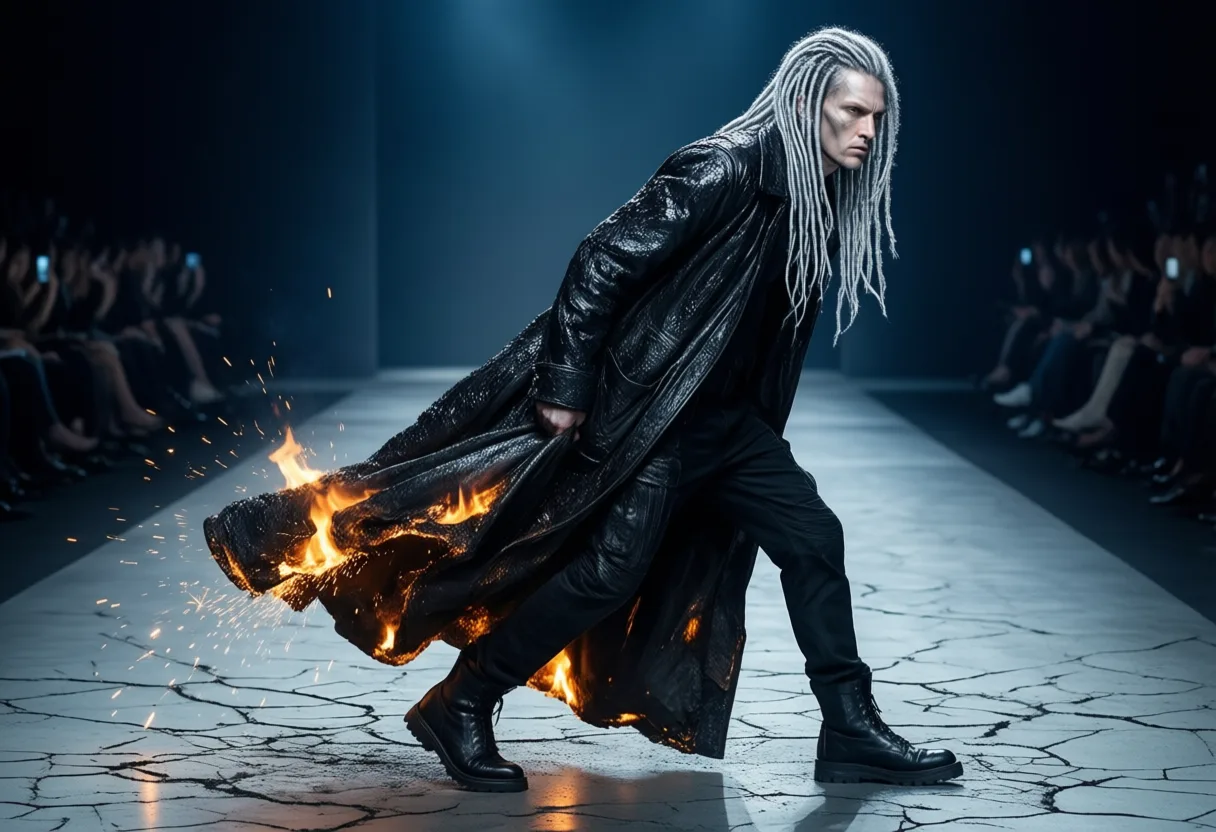
This isn’t fashion for the faint of heart. It’s monochrome palettes, undone hems, and coats that look like they’ve seen three revolutions. It dresses like a protest that hasn’t started yet.
- Turtlenecks layered under ripped fishnets
- Military-inspired tailoring with anarchist patches
- Footwear that prioritizes function-and intimidation
The revival isn’t nostalgic. It’s responsive-a visual echo of anxiety, disillusionment, and the need to say something without shouting.
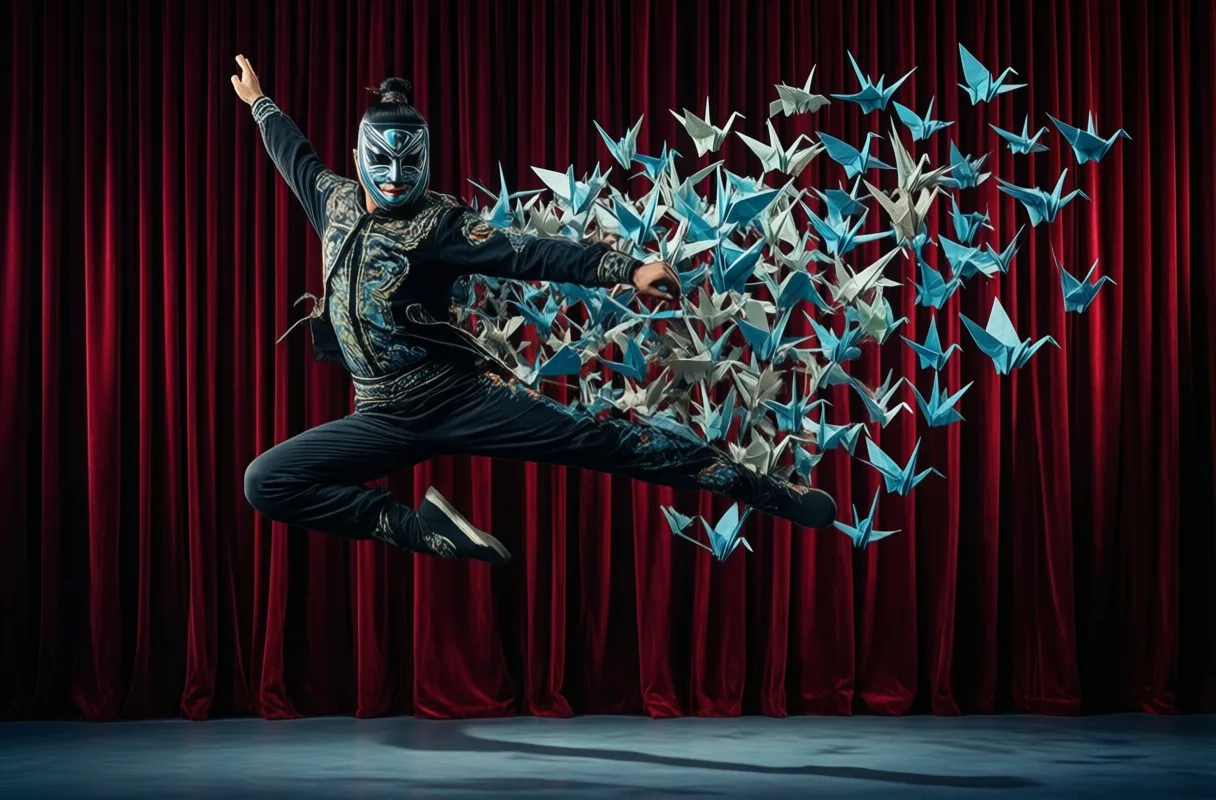
4. Street Goth: Where Urban Edge Meets Darkness
Goth isn’t just castles and candlelight anymore. It’s concrete, streetlights, and the hum of a subway train at 2 a.m.
Street Goth blends the melancholy of traditional goth with the grit of city life. Think black hoodies lined with velvet, combat boots scuffed from pavement, and silver chains that catch the glow of neon signs.
- Outerwear is oversized, often repurposed from workwear or military surplus
- Makeup is smudged, deliberate, more shadow than statement
- Accessories include lockets, talismans, and anything that feels slightly forbidden
It’s a look that thrives in liminal spaces-between neighborhoods, between identities, between what’s real and what’s imagined.
5. Fairies and Boots: The Rise of Fairycore Grunge
If fairycore is a meadow at dawn, fairycore grunge is that same meadow after a storm-wet, tangled, defiantly alive.
This hybrid style mashes ethereal elements-sheer fabrics, floral crowns, iridescent wings-with the disheveled energy of grunge. Think ripped tights under a gauzy dress, Doc Martens caked in mud, and glitter on a face that hasn’t slept in days.
- Layering is key: fishnets under skirts, band tees under lace
- Colors shift from soft lavender to bruised purple to deep charcoal
- DIY details-hand-painted jackets, stitched-on patches-add soul
It’s a contradiction on purpose: delicate but dangerous, dreamy but defiant. A reminder that magic doesn’t have to be clean to be real.
6. Y2K Reloaded - Glitch, Glam, and Nostalgia
The early 2000s are back-but not the version you remember. This isn’t just low-rise jeans and bedazzled flip phones. It’s a distorted, digital remix of a decade that never quite grew up.
Y2K fashion today isn’t about reliving the past. It’s about Reclaiming its chaos-the optimism, the irony, the sheer audacity of wearing a holographic backpack to a job interview.
- Metallic fabrics, translucent layers, and logo mania return with a knowing wink
- Accessories are playful: butterfly clips, chunky plastic jewelry, mini handbags
- Color blocking and clashing prints celebrate bad taste as a virtue
The new Y2K isn’t naive. It remembers the dot-com crash, the climate warnings, the growing surveillance. But it dresses like it’s still dancing in the dark, just before the lights went out.
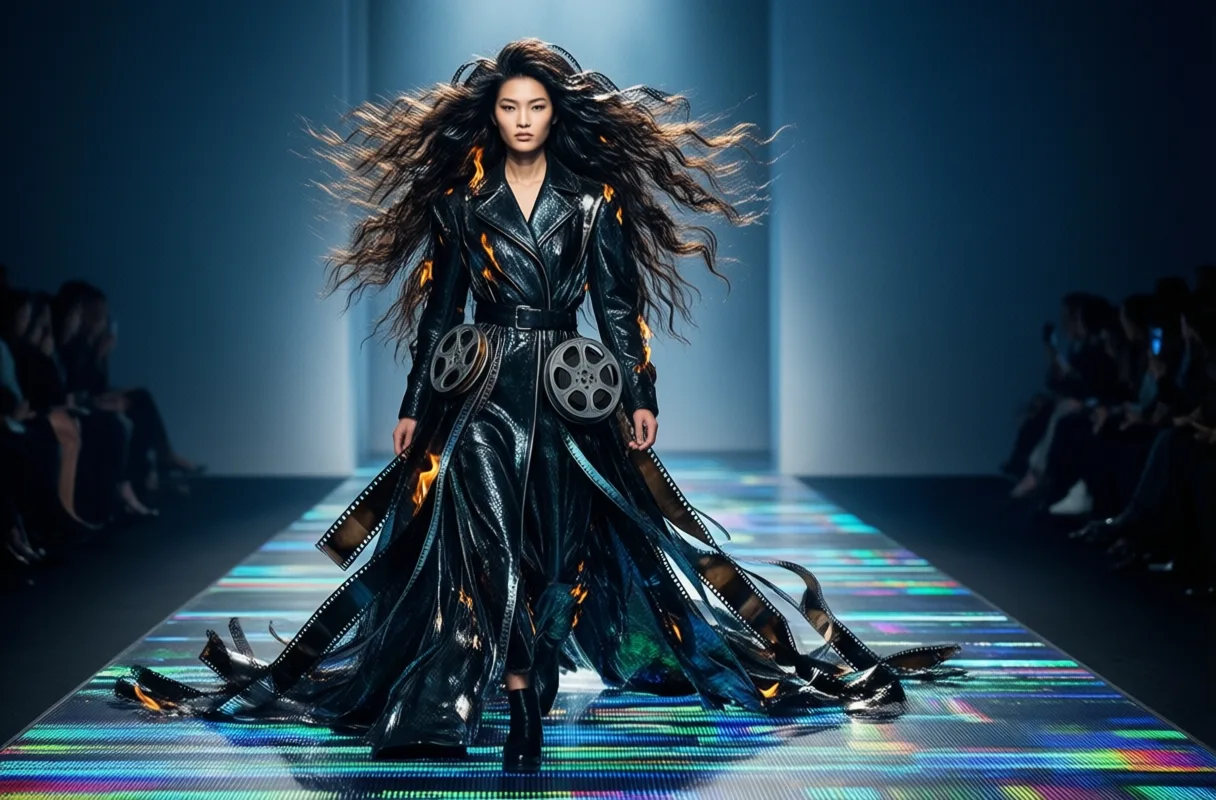
7. Workwear Reimagined: Utility as Identity
Carhartt jackets. Tool belts worn as fashion. Steel-toe boots polished like trophies. Workwear has long been borrowed by subcultures-but now, it’s being redefined from within.
No longer just a symbol of blue-collar pride or punk appropriation, workwear is evolving into something more personal. Function becomes form, and form becomes philosophy.
- Durable fabrics like canvas and denim are elevated through tailoring and contrast stitching
- Pockets aren’t just practical-they’re design features, statements of preparedness
- Brands once made for laborers are now styled with skirts, heels, or silk scarves
It’s a quiet rebellion: dressing like you’re ready to build something, even if what you’re building is just yourself.
Misreading the Message: When Alt Styles Get Misunderstood
A black coat isn’t always about sadness. A choker isn’t always about sex. A pale face isn’t always about death.
Alternative styles are often reduced to their surface elements, stripped of context, and mislabeled by those who don’t speak the language. What’s sacred becomes costume. What’s protective becomes provocative.
This isn’t just annoying-it’s erasure. When a look born from trauma, resistance, or community is turned into a festival trend, it loses its power.
The fix isn’t censorship. It’s curiosity. Ask why before you copy. Learn the history before you wear it. And understand that Some styles aren’t invitations-they’re boundaries.
How Context Shapes What We Wear - and Why It Matters
You dress differently for a funeral than for a first date. For a protest than for a job interview. Context isn’t just background-it’s part of the message.
Clothing gains meaning from where it’s worn, who wears it, and who’s watching. A hoodie in a gallery is art. The same hoodie in a police lineup becomes a stereotype.
Subcultures understand this intimately. They use context like a weapon or a shield. A mohawk at a punk show is belonging. That same mohawk at a corporate office might be defiance-or dismissal.
Fashion isn’t neutral. It never has been. And pretending it is only benefits those already in power.
Wearing Your Worldview: Practical Style Without the Costume
You don’t need a theme to have a look. You don’t need a label to have a voice.
The most compelling style isn’t about fitting into a subculture-it’s about Filtering the world through your own lens. Maybe you love lace but hate frills. Maybe you wear black because it’s easy, not because you’re morbid.
Authenticity isn’t about purity. It’s about intention. Mix the delicate with the durable. Pair the nostalgic with the new. Wear what feels true, not what feels expected.
And if someone asks, “What are you supposed to be?” Smile and say, “Myself. With better boots.”
| Style | Key Elements | Philosophy |
|---|---|---|
| Cyberpunk | Tech fabrics, LED trims, gas masks, holographic mood jackets | Dresses for a broken world with glitter and resistance |
| Cottagecore | Puff sleeves, linen, hand-embroidery, basket bags | Rejects capitalism; embraces sustainability and slow living |
| Post-Punk Revival | Monochrome, ripped fishnets, anarchist patches, combat boots | Visual echo of anxiety and unspoken protest |
| Street Goth | Black hoodies, velvet linings, scuffed boots, silver chains | Thrives in liminal spaces between identity and reality |
| Fairycore Grunge | Sheer fabrics, mud-caked Docs, glitter, DIY patches | Delicate but dangerous; magic doesn’t have to be clean |
| Y2K Reloaded | Metallics, butterfly clips, logo mania, clashing prints | Reclaims chaotic optimism just before societal collapse |
| Workwear Reimagined | Carhartt jackets, tool belts, steel-toe boots, canvas | Utility becomes personal philosophy and quiet rebellion |
Threads of Rebellion: How Subcultures Stitch Identity
From Raves to Runways: The Birth of Cybergoth
Cybergoth fashion exploded in the late 1990s, blending elements of rave culture, industrial music, and sci-fi aesthetics. One of its most recognizable features-vibrant, gravity-defying synthetic dreadlocks-wasn’t just for show. These “bunches” were often made from materials like kanekalon, chosen for their durability during long dance sessions and resistance to sweat and UV lights. Early adopters crafted their looks from repurposed materials, turning trash bags into skirts and circuit boards into jewelry, reflecting a DIY spirit rooted in underground club scenes.
Punk’s Lasting Scars-and Staples
The safety pin, now a global fashion staple, was never meant to be decorative. In 1970s London, punks like Sid Vicious used them out of necessity-ripped clothing was common, and sewing wasn’t always an option. What started as a quick fix became a symbol of anti-establishment defiance. Leather jackets, tartan, and band patches followed suit, each item carrying a message of rebellion. Even the iconic mohawk, often associated with punk, has roots in earlier subcultures, including 1950s greasers and indigenous Mohawk people, showing how alternative styles often borrow and transform across generations.
Beyond Black: The Color Psychology of Goth
While black dominates the goth wardrobe, the choice isn’t just about looking mysterious. Historically, black clothing was expensive and hard to maintain, making it a statement of dedication. In modern goth fashion, subtle hues like deep burgundy, forest green, or silver accents are common, adding depth without breaking the mood. Victorian and Edwardian influences appear in lace, corsetry, and high collars-styles that reference mortality, romance, and a fascination with the past. These details aren’t costume; they’re carefully chosen expressions of identity and aesthetic philosophy. Explore more stories, videos, and creators on Loaded.
Frequently Asked Questions
What is cyberpunk fashion and what does it represent?
Cyberpunk fashion thrives on contrast, combining sleek tech fabrics with grime and glowing accents in shadowed alleys. It dresses for a broken world, blending survival gear like gas masks and goggles with futuristic flair.
How does cottagecore fashion reflect a political statement?
Cottagecore rejects mass production and capitalism through soft, layered clothing made of natural dyes, linen, and hand-embroidery. It embraces sustainability and redefines femininity on its own terms.
What are the key elements of post-punk revival style?
Post-punk revival features monochrome palettes, undone hems, ripped fishnets, and military-inspired tailoring with anarchist patches. It expresses anxiety and disillusionment through functional, intimidating footwear and sharp silhouettes.
Why is context important in alternative fashion?
Clothing gains meaning from where it’s worn, who wears it, and who’s watching. A mohawk at a punk show signals belonging, while the same look in a corporate office may signal defiance or lead to dismissal.
This article was produced with AI assistance. How Twisted Magazine uses AI.
Devon tracks celebrity culture through offbeat destinations and candid moments, revealing the human side of fame. He blends investigative curiosity with wit, uncovering stories where luxury meets authenticity in unexpected corners of the world.