What Defines the Edge in Today’s Fashion Rebellion?
A Visual Language Of Defiance and Identity
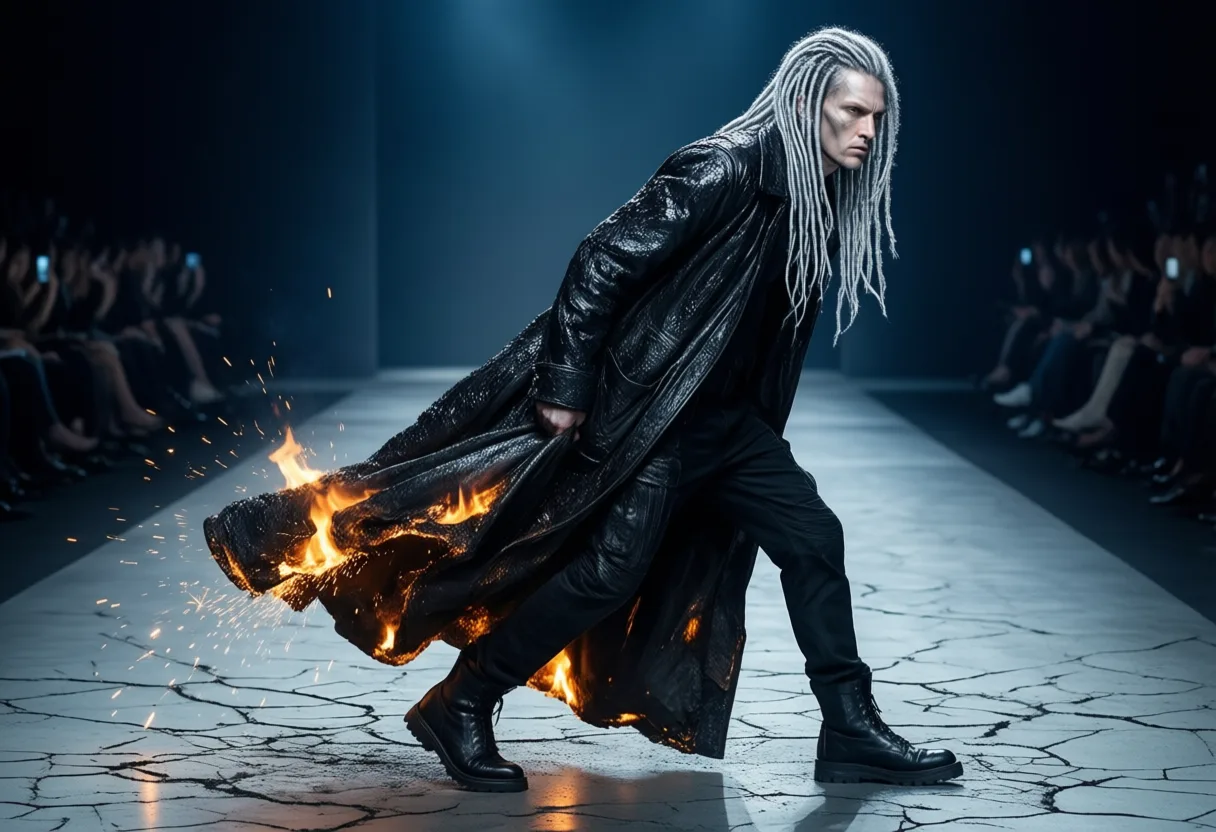
Fashion Has always been a mirror, but lately it’s stopped smiling back politely. Instead, it glares-smudged eyeliner intact, boots laced with intent-refusing to flatter the status quo. The edge isn’t just in the cut of a jacket or the tear in a stocking; it lives in the Defiant act of showing up as you are, unedited and unapologetic.
Mainstream fashion once dictated what rebellion looked like-safety pins sold at department stores, tartan rebranded as “edgy chic.” But real subversion doesn’t come with a price tag from a mall anchor. It emerges from basements, street corners, and midnight raves where identity is forged not by trends, but by necessity. These spaces birth aesthetics that don’t ask for permission-they announce themselves.
The power of alternative style lies in its refusal to be decorative. Every ripped seam, every layer of lace or latex, functions as both armor and manifesto. This isn't about looking “different” for the sake of shock. It's about Wearing your values, your trauma, your joy, and your politics On a sleeve that might very well be missing its mate.
Why Mainstream Styles No Longer Speak for Everyone The Cultural Pulse Behind Nonconformist Dress
Let’s be honest: beige shouldn’t be a personality. Yet for years, commercial fashion treated neutrality like virtue-neutral tones, neutral silhouettes, neutral opinions. The result? A monoculture of mediocrity dressed in stretch cotton and quiet desperation. People didn’t stop wanting Boldness; they just had to go underground to find it.
Now, visibility has shifted. What was once dismissed as “phase” behavior-black nail polish, combat boots, hair dyed the color of a bruise-is being reclaimed as legitimate self-expression. Social media hasn’t diluted these styles; it’s amplified their reach, allowing isolated communities to recognize themselves in strangers across continents. You don’t need a fashion degree to know when you’ve found your tribe-you feel it in the spine-tingle of seeing someone wear exactly what you’ve dreamed of but never dared.
This cultural pulse beats strongest where conformity falters. Whether responding to political unrest, gender binaries, or environmental collapse, many turn to clothing as one of the few forms of autonomy left. When the world feels unstable, dressing becomes an act of stabilization-an assertion: I am here. I decide who I am.
How Subcultures Forge Their Own Aesthetic Rules From Underground Scenes to Runway Recognition
Subcultures don’t follow fashion. They invent it out of scraps, boredom, and brilliance. A safety pin becomes jewelry. A school blazer gets slashed and repurposed. Nothing is wasted, nothing is accidental. These aesthetics emerge from constraint, creativity, and a shared understanding that looking alike can be a form of resistance.
Long before any luxury label sent models down the runway in duct tape, punks were wearing it proudly-held together not by thread, but attitude. Similarly, goths weren’t imitating horror films; they were creating a visual language for melancholy in a culture obsessed with happiness. Each group develops codes: specific footwear, makeup techniques, even ways of moving through space. To the untrained eye, it might look chaotic. To those within, it’s syntax.
Eventually, the mainstream notices. Designers “discover” these looks, strip them of context, and sell them back at triple the cost. But the originals remain untouched by this co-option. Because subcultural style was never about ownership-it was about belonging. And no amount of runway appropriation can replicate the authenticity of a look born from lived experience.
Can Clothing Be Both Art and Protest?
Wearables That Challenge Social Norms
Clothing has always carried meaning, but alternative fashion insists on Meaning we can’t ignore. A leather harness isn’t just hardware-it’s a declaration of bodily autonomy. A skirt worn over pants isn’t a mistake; it’s a middle finger to outdated rules. In this realm, garments become propositions, not products.
Consider how often women are told to dress “appropriately,” while men are praised for minimal effort. Alternative fashion dismantles that double standard-not by rejecting femininity or masculinity, but by refusing to let either dictate worth. Corsets appear alongside cargo pants. Suits are worn without shirts. Skincare routines rival tailoring in importance. Here, The personal is undeniably political.
And yet, it’s not all solemn statements. There’s humor, absurdity, play. The best protest wears a smirk. A kawaii bear onesie paired with combat boots says, “I can be soft and dangerous.” A top hat made of recycled circuit boards whispers, “The future is junk-and I’m fabulous.” This duality-serious intent wrapped in surrealism-is what keeps alternative fashion alive, unpredictable, and utterly essential.
Breaking Down the Most Influential Alternative Looks
- Cyberpunk: Neon, Mesh, and Dystopian Glamour
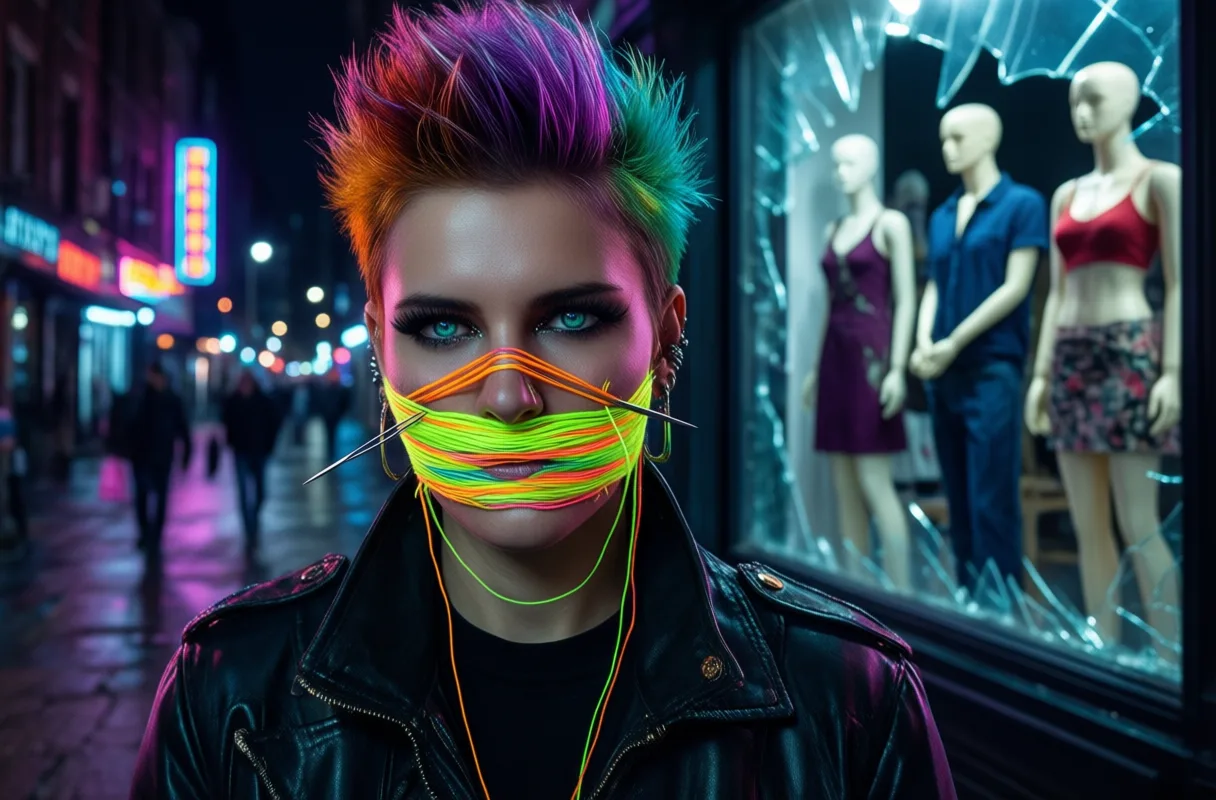
Futurism never looked so grimy. Cyberpunk blends high-tech fantasy with urban decay, imagining a world where corporations own everything-including your DNA-but kids still dance in alleyways lit by flickering holograms. Think reflective fabrics, asymmetrical cuts, and colors pulled from a malfunctioning screen: electric blue, acid green, blood red.
Accessories are functional and theatrical: LED chokers, transparent backpacks, face masks that filter both smog and judgment. Footwear leans toward industrial-chunky platform boots with hydraulic details or sneakers that look like they’ve survived three apocalypses. The goal isn’t comfort. It’s survival with style.
This look thrives on contradiction: vulnerability beneath armor, humanity inside machinery. It’s less about predicting the future than commenting on the present-where data is currency, privacy is extinct, and glowing hair makes you feel invincible.
- Goth Revival: Velvet, Lace, and Modern Mourning
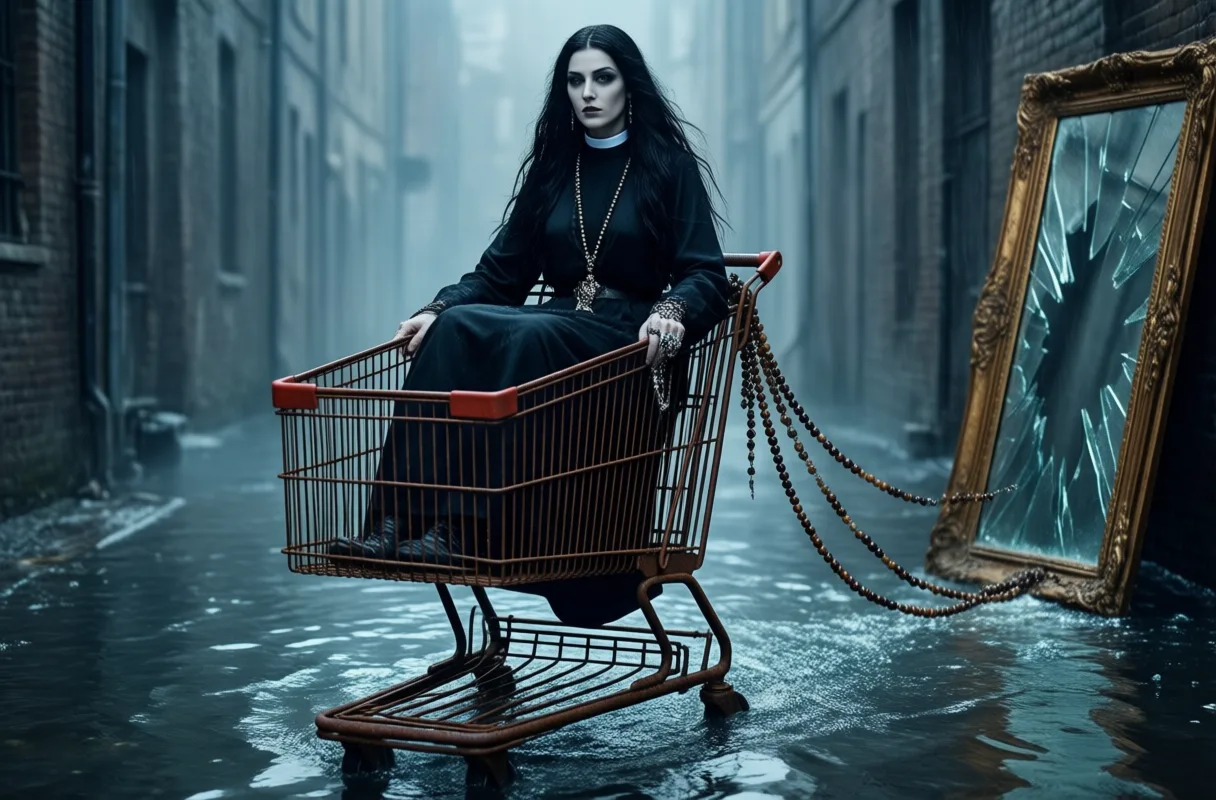
Goth isn’t sad-it’s sophisticated in mourning. The revival isn’t nostalgic; it’s evolved. Gone is the caricature of pale teens writing poetry in graveyards. Today’s goth embraces texture: crushed velvet blazers, fishnet underlayers, corsetry that doubles as outerwear. Black remains dominant, but now includes undertones-burgundy, charcoal, obsidian.
Makeup is precise, almost architectural. Dark lips aren’t messy; they’re deliberate. Eyeliner wings extend into abstract shapes, as if drawn by a draftsman of despair. Hair ranges from razor-sharp bobs to cascading waves dyed the color of dried ink.
Modern goth isn’t about death worship. It’s about Embracing darkness as natural, not taboo. Grief, mystery, romance-these aren’t flaws. They’re features. And in a world that demands constant positivity, choosing shadow is itself an act of courage.
- Punk Reloaded: Ripped Fabrics and Political Statements
Punk never died. It just changed its name and started paying rent. The new wave isn’t rebelling against parents-it’s fighting algorithms, surveillance, and late-stage capitalism. The clothes reflect that urgency: deconstructed denim, band patches with obscure slogans, jackets covered in embroidered anarchy symbols or stitched manifestos.
T-shirts remain central, but the messages are sharper. Hand-painted slogans critique more than authority-they question identity, climate denial, and digital alienation. Tartan persists, but it’s clashing now, layered with neon mesh or PVC. Safety pins? Still in use-both as fasteners and symbols.
Footwear stays practical: battered Docs, skate shoes with holes, boots that have walked miles of protest lines. This isn’t fashion as spectacle. It’s fashion as toolkit. If your outfit doesn’t make someone uncomfortable, you might not be doing it right.
- Kawaii Extreme: Doll-Like Cuteness with a Dark Twist
Imagine Hello Kitty raised by Tim Burton. Kawaii extreme takes Japan’s culture of cuteness and injects it with something unsettling-a cracked smile, a blood-red bow, pastel platforms that look too big to walk in. The aesthetic balances childlike whimsy with eerie precision.
Outfits feature oversized bows, frilly socks, and dresses that resemble party favors. But the palette often shifts into macabre territory: baby pink paired with black lace, cartoon prints with skull motifs. Accessories include plush toys strapped to bags, heart-shaped sunglasses, and wigs in cotton-candy hues.
The contrast is intentional. Beneath the glitter lies commentary on performative femininity, consumerism, and emotional repression. To wear this look is to say: I can be adorable and disturbed at the same time. And honestly? That’s relatable.
- Grunge Reimagined: Slouch, Flannel, and Anti-Fashion
Grunge wasn’t a trend. It was a shrug. Born from rainy cities and basement shows, it rejected polish, wealth, and ambition-all things fashion traditionally celebrates. Today’s reinterpretation keeps the slouch but adds intention. A flannel shirt isn’t just thrown on; it’s layered over a slip dress, tied at the waist, sleeves ripped off.
Denim is faded, often repaired with visible stitching or patches. Band tees are still staples, but now they might be obscure post-punk groups or feminist poets printed on organic cotton. Footwear stays grounded: beat-up Chucks, worn loafers, socks that don’t match.
The beauty lies in imperfection. Stains? Maybe. Loose threads? Probably. But there’s care in the chaos-a sense that every scuff tells a story. This is anti-fashion that still manages to be deeply stylish, precisely because it refuses to try too hard.
- Steampunk: Gears, Goggles, and Victorian Fusion
Steampunk is history reimagined through steam-powered daydreams. It mashes 19th-century silhouettes with sci-fi imagination-corsets with brass piping, waistcoats lined with clock parts, skirts powered by fictional hydraulics. Goggles aren’t accessories; they’re essential gear for navigating airship battles.
Materials matter: leather, copper, wood, and tarnished metal dominate. Outfits often include functional elements-pockets for tools, belts with vials, hats with rotating antennae. Women wear trousers under bustled skirts; men sport top hats wired with LED circuits.
It’s cosplay-adjacent but rooted in craftsmanship. Many pieces are handmade, modified, or custom-built. The look celebrates ingenuity over perfection, curiosity over conformity. In a world obsessed with the new, steampunk asks: What if we rebuilt the old with better ideas?
- Dark Academia: Scholarly Silhouettes with a Moody Edge
Think haunted library meets Ivy League dropout. Dark academia romanticizes learning, literature, and existential dread. Outfits lean into tweed, turtlenecks, oxford shirts, and pleated trousers-clothes that belong in a 1940s lecture hall or a Gothic novel.
But this isn’t prep school. Shirts are left unbuttoned, ties loosened, blazers stained with ink. Footwear includes polished loafers or brogues, often scuffed from walking too far in the rain. Accessories: vintage watches, leather-bound notebooks, prescription glasses with thick frames.
The mood is cerebral and melancholic. It’s not about looking smart-it’s about feeling consumed by thought. There’s a voyeuristic quality, like you’re dressing as the tragic genius from a book you haven’t written yet. And honestly, isn’t that everyone’s secret fantasy?
- E-Girl & E-Boy: Digital Natives Redefining Streetwear
Born online, bred on irony, e-girl and e-boy styles are fashion shaped by screens, memes, and bedroom studios. Think fishnets under jeans, graphic tees with anime references, dyed hair streaks, and facial piercings clustered like constellations. Makeup is exaggerated: sharp contour, colored contacts, lip gloss applied like war paint.
Streetwear bones remain-hoodies, oversized tees, chunky sneakers-but twisted. A hoodie might be cropped, reversed, or covered in patches of video game logos. Layering is key: tank tops under open flannels, chains over beanies, mismatched gloves.
These looks thrive on fluidity. Gender norms dissolve. Beauty standards warp. The aesthetic is self-aware, often playful, but also deeply sincere. To adopt it is to claim space in a digital world where identity is curated, contested, and constantly evolving.
- Fetish Minimalism: Leather, Straps, and Subtle Provocation
Less dungeon, more downtown. Fetish minimalism strips away excess, leaving only what’s essential: a single strap across the chest, a leather choker with a small ring, boots that shine like wet pavement. It’s provocative without being explicit-suggestive rather than sensational.
Silhouettes are sleek, often monochrome. Black dominates, but deep brown, oxblood, and gunmetal appear. Fabrics include patent leather, latex (used sparingly), and structured cotton that mimics restraint. Cutouts are precise, placed to draw attention without revealing everything.
The power here is in control. This isn’t about submission-it’s about command. Wearing a harness isn’t costume; it’s confidence. The look says: I know what I want, and I don’t need to explain it.
- Avant-Garde Street: Structural Shapes in Everyday Wear
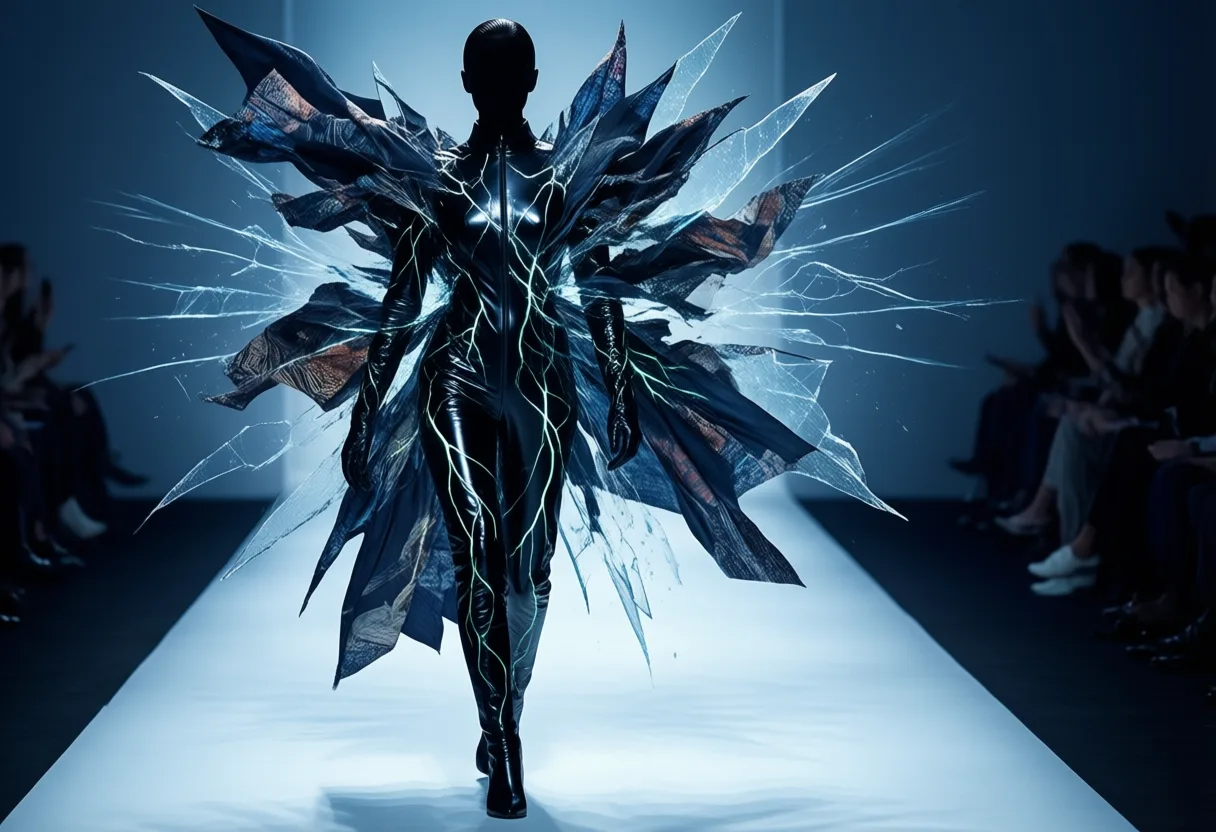
Avant-garde used to mean runway-only-pieces too fragile for sidewalks. But avant-garde streetwear brings sculptural design into daily life. Think exaggerated shoulders, inverted seams, coats that wrap like origami, or pants with extra limbs.
Proportion is the playground. Sleeves drag on the ground. Hems defy gravity. Pockets appear in illogical places. The materials range from technical synthetics to upcycled textiles, often combined in jarring but harmonious ways.
This look challenges functionality. A jacket might not close. Shoes might not be comfortable. But that’s not the point. The point is to Redefine what clothing can do-to turn the body into a moving installation. It’s fashion as art, yes, but also fashion as everyday disruption.
The Myth of “Going Too Far” in Personal Style When Judgment Reveals More About Culture Than Clothing
People love to say you can “go too far” with fashion. Funny how that accusation never applies to bankers in identical suits or influencers in head-to-toe designer. But add a zipper where zippers aren’t expected, and suddenly you’re “asking for attention.”
Here’s the truth: Judgment is rarely about the clothes. It’s about discomfort. Seeing someone fully express themselves forces a confrontation: Why aren’t I that free? Why do I still hide? The outrage is really envy in disguise.
Every generation calls youth expression “excessive.” Mohawks were obscene. Denim was rebellious. Now? Those are museum exhibits. What’s considered extreme today will be tomorrow’s vintage. The cycle repeats because society fears autonomy-especially when it’s stylish.
Translating Bold Aesthetics Into Wearable Confidence Tips for Adopting Alternative Elements Without Costumes
You don’t need a full cyberpunk ensemble to embrace the spirit of defiance. Start small. Swap your work blazer for one with asymmetrical buttons. Try a choker instead of a necklace. Dye just one section of your hair. Let your edges show before unveiling the whole picture.
Mix alternative pieces with classic staples. A tailored coat over a band tee. Doc Martens with a midi dress. A leather glove on one hand. These contrasts create tension-and tension is interesting. Fashion isn’t about harmony; it’s about conversation.
Above all, wear what makes you feel powerful. Not cute. Not acceptable. Powerful. If you catch your reflection and grin, you’re doing it right. Confidence isn’t loud. It’s quiet, steady, and impossible to ignore.
Beyond the Outfit: Building a Wardrobe That Speaks Truth
Style as an Evolving Act of Self-Declaration
Your wardrobe shouldn’t be a uniform. It should be a diary-one you revise daily. Some days you’re soft. Some days you’re furious. Some days you want to disappear. Let your clothes reflect that. A true Alternative Fashion Styles list isn’t about checking boxes. It’s about Breaking the checklist entirely.
Buy less. Choose wisely. Modify often. Stitch patches. Rip seams. Turn inside out. Make your clothes live. The most radical thing you can wear isn’t a statement tee-it’s authenticity, slightly frayed at the edges.
In the end, style isn’t rebellion for the sake of spectacle. It’s survival. It’s saying, “I exist,” in a world that prefers silence. So keep dressing like you’re already free. Eventually, you will be.
| Style | Key Elements | Cultural Themes |
|---|---|---|
| Cyberpunk | Neon colors, mesh, LED accessories, platform boots | Dystopia, technology, urban decay |
| Goth Revival | Velvet, lace, dark makeup, black with undertones | Mourning, darkness as natural, romance |
| Punk Reloaded | Ripped fabrics, band patches, hand-painted slogans | Political resistance, anti-capitalism, urgency |
| Kawaii Extreme | Pastels, oversized bows, plush toys, cartoon skulls | Cuteness with darkness, emotional duality |
| Grunge Reimagined | Flannel shirts, layered tees, beat-up sneakers | Anti-fashion, imperfection, authenticity |
| Steampunk | Gears, goggles, Victorian fusion, handmade pieces | Imagined history, craftsmanship, curiosity |
| Dark Academia | Tweed, turtlenecks, ink-stained blazers, vintage accessories | Scholarship, literature, melancholy |
| E-Girl & E-Boy | Fishnets, dyed hair streaks, anime tees, exaggerated makeup | Digital identity, irony, gender fluidity |
Beyond the Mainstream: The Spirit of Alternative Style
Roots in Rebellion
Alternative fashion has never been just about clothes-it’s a language of defiance and identity. Emerging from post-punk and goth scenes in the late 1970s and 80s, these styles gave voice to youth who felt disconnected from mainstream culture. Think ripped fishnets, band patches, and DIY dye jobs-not because they were trendy, but because they were accessible and full of meaning. Many early adopters customized thrift store finds, turning economic necessity into a creative movement that still influences today’s scene.
More Than Black Clothing
While dark palettes are iconic, alternative fashion spans wild color and form. Cybergoth brought neon-drenched dreadfalls and PVC under club lights, while pastel goth blends cute kawaii elements with morbid motifs. Steampunk mixes Victorian silhouettes with imagined industrial-age tech-gears, goggles, and corsets repurposed into wearable fiction. Each substyle carries its own vibe, yet all share a love for self-invention and visual storytelling.
Fashion That Moves With Culture
These styles evolve quietly, absorbing influences without losing their edge. Elements like platform boots, chokers, and tartan have cycled into and out of mainstream runways, often stripped of their original context. But in alternative communities, they retain deeper significance-symbols of belonging, resistance, or artistic expression. Today, social media helps niche aesthetics find global audiences overnight, yet the heart remains the same: dressing not to fit in, but to stand apart.
Frequently Asked Questions
What defines Alternative Fashion Styles?
Alternative Fashion Styles are defined by defiance, identity, and self-expression. They emerge from subcultures and prioritize authenticity over mainstream trends.
How do subcultures influence alternative fashion?
Subcultures invent aesthetics from constraint and creativity, using clothing as resistance. Their styles often inspire mainstream fashion but retain deeper meaning within the community.
Is alternative fashion only about dark clothing?
No, while dark palettes are iconic, alternative fashion includes neon colors, pastels, and bold forms. Styles like cyberpunk and kawaii extreme use vibrant or contrasting visuals.
Can alternative fashion be both art and protest?
Yes, garments in alternative fashion serve as wearable statements on politics, gender, and autonomy. They challenge norms through design, layering, and symbolism.
This article was produced with AI assistance. How Twisted Magazine uses AI.
Devon tracks celebrity culture through offbeat destinations and candid moments, revealing the human side of fame. He blends investigative curiosity with wit, uncovering stories where luxury meets authenticity in unexpected corners of the world.